
Sunset Photography Tips: How to Capture Stunning Sunset Photos Every Time
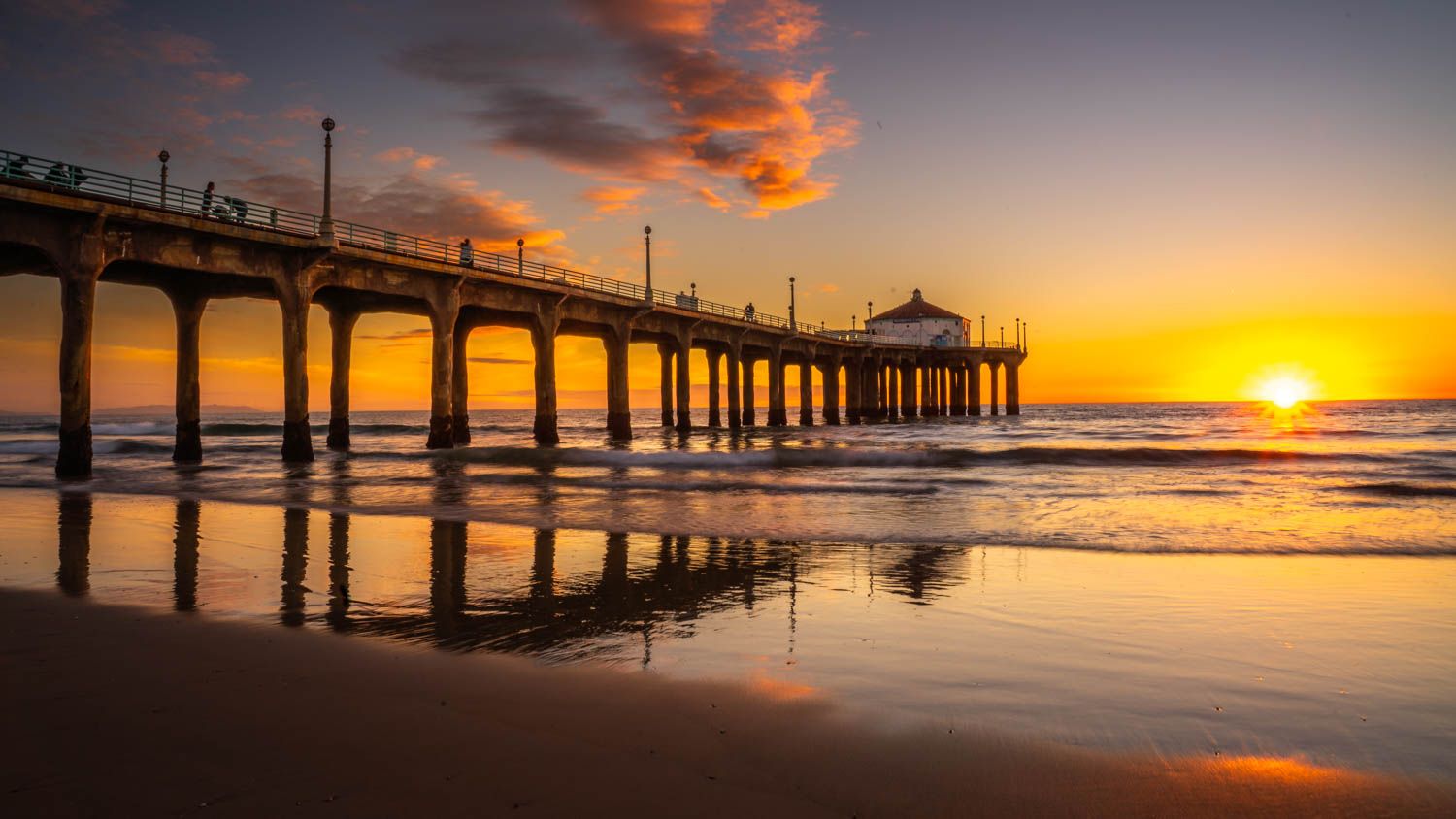
By Serge Ramelli
Sunset photography is one of the most rewarding genres in landscape photography.
The colors, the atmosphere, and the constantly changing light create endless opportunities for incredible images.
Yet capturing a truly memorable sunset photo takes more than pointing your camera toward the horizon.
These sunset photography tips will help you create stronger compositions, better light, and more impactful images every time you shoot.
1. Find a Strong Subject
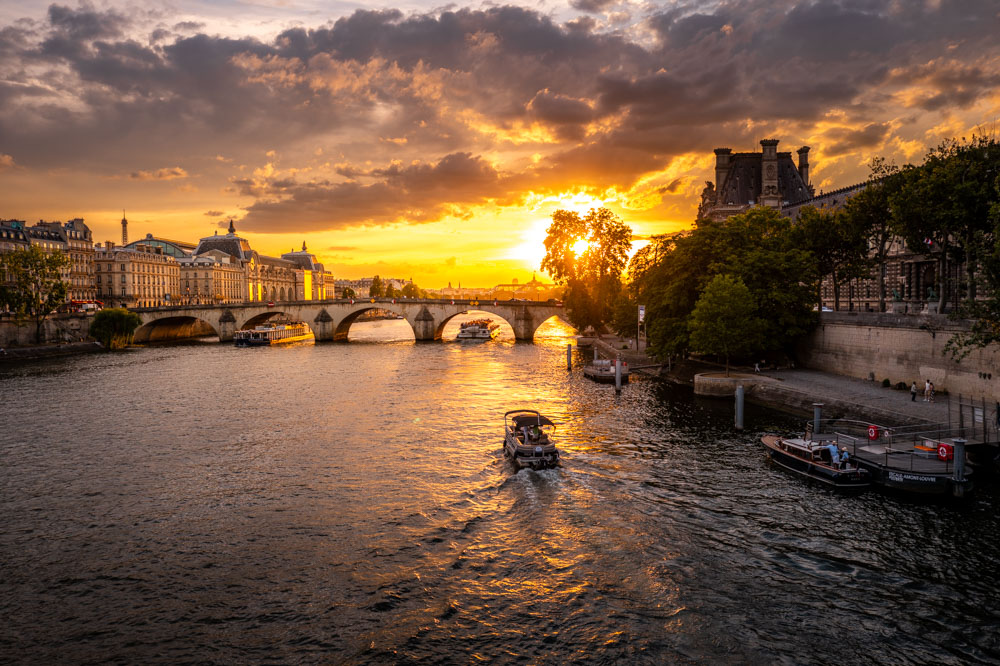
One of the biggest mistakes in sunset photography is relying entirely on the sky.
A beautiful sunset is important, but a compelling subject is what makes viewers stop scrolling.
Look for:
- Silhouettes
- Trees
- Boats
- Architectural elements
- Leading lines
- Human subjects
The sunset creates the mood.
The subject creates the story.
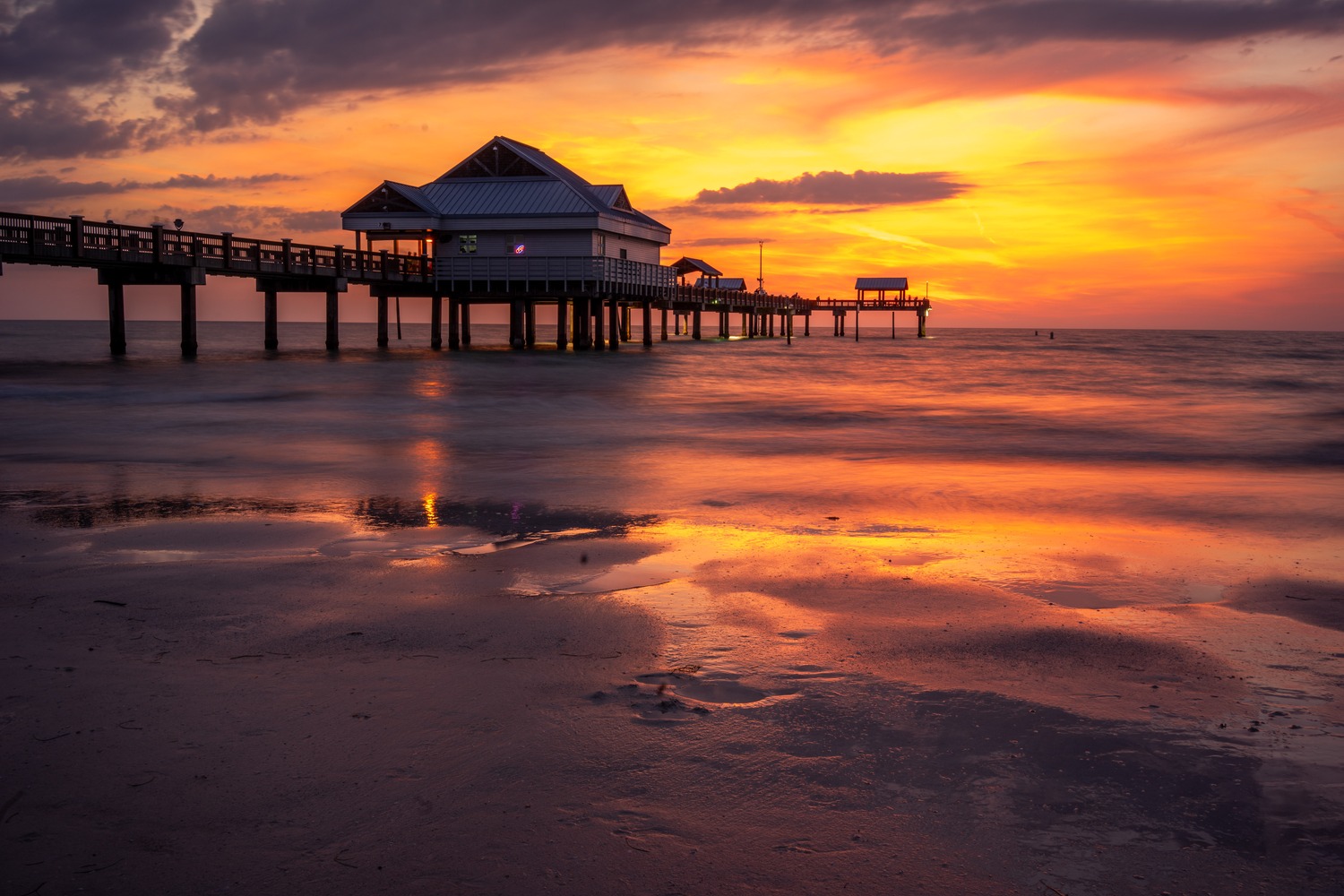
Ready to get 1 on 1 support to master your tools and take photos that have that WOW factor? Apply to become a certified Master of Photography here.
2. Arrive Early for Golden Hour Photography
The best sunset photography often begins long before the sun reaches the horizon.
Golden hour photography provides soft light, warm tones, and beautiful shadows that add depth to your images.
Arriving early gives you time to:
- Explore compositions
- Test camera settings
- Identify foreground elements
- Prepare for changing light conditions
The more prepared you are, the better your final image will be.
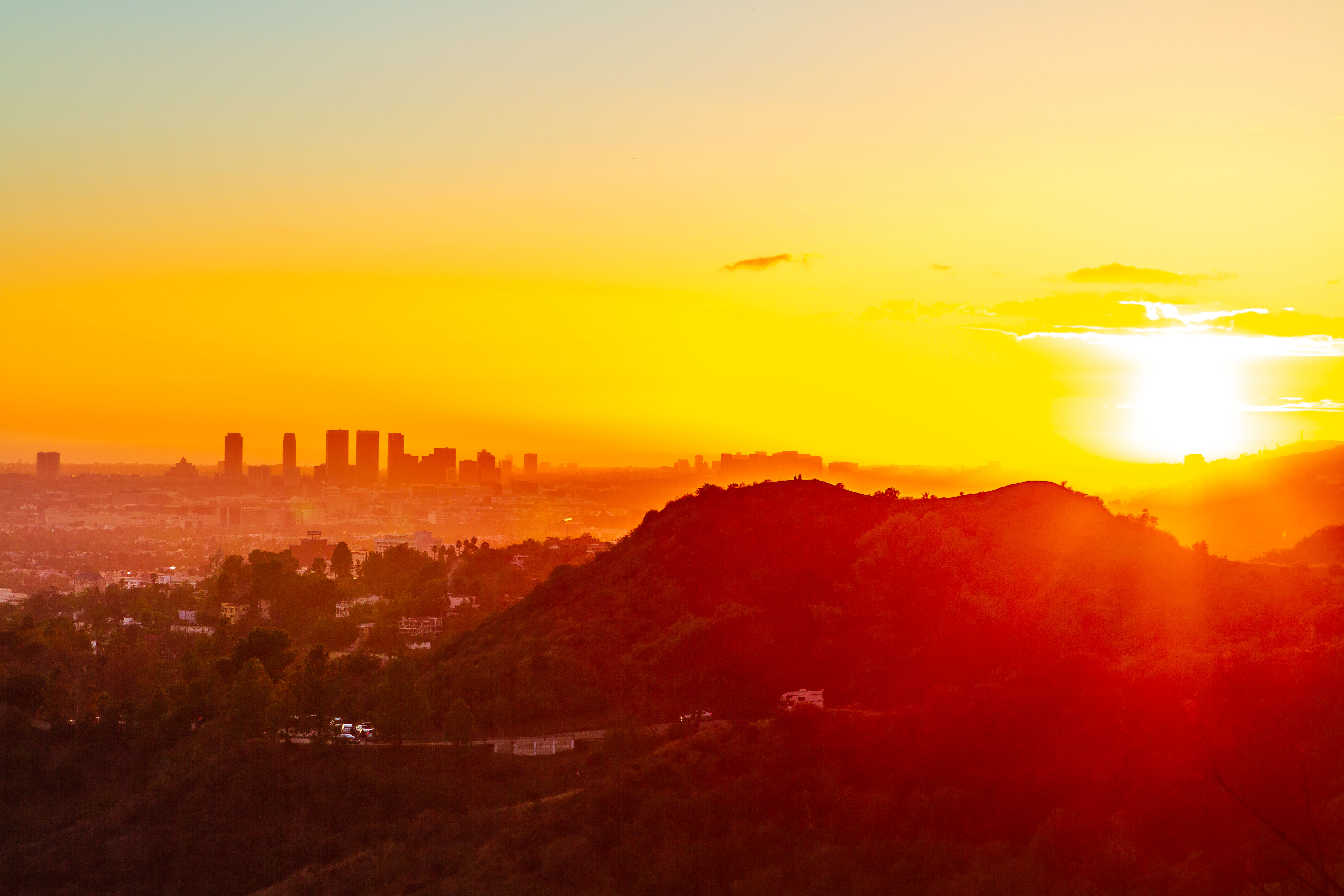
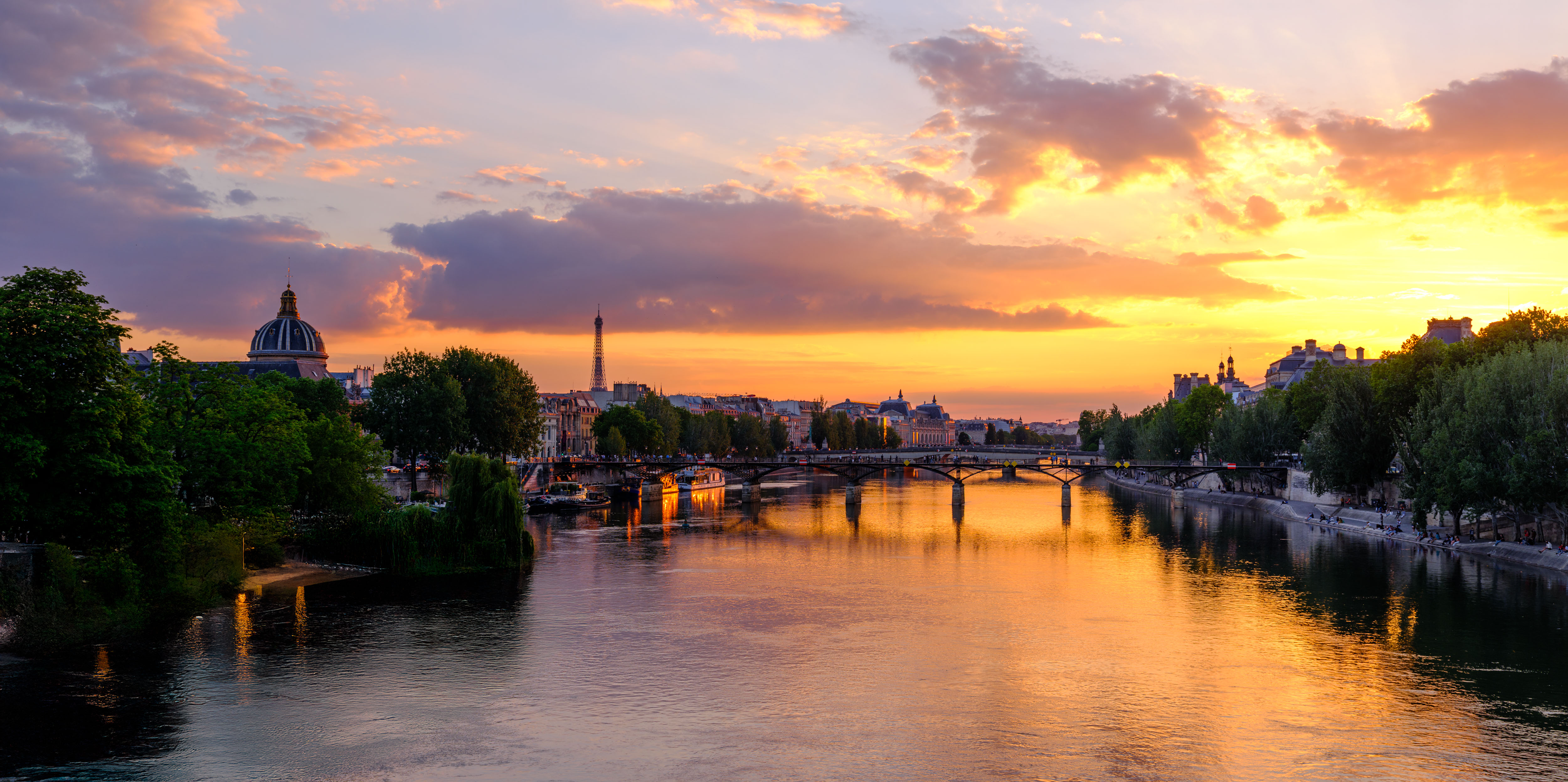
3. Stay After the Sun Sets
Many photographers leave too soon.
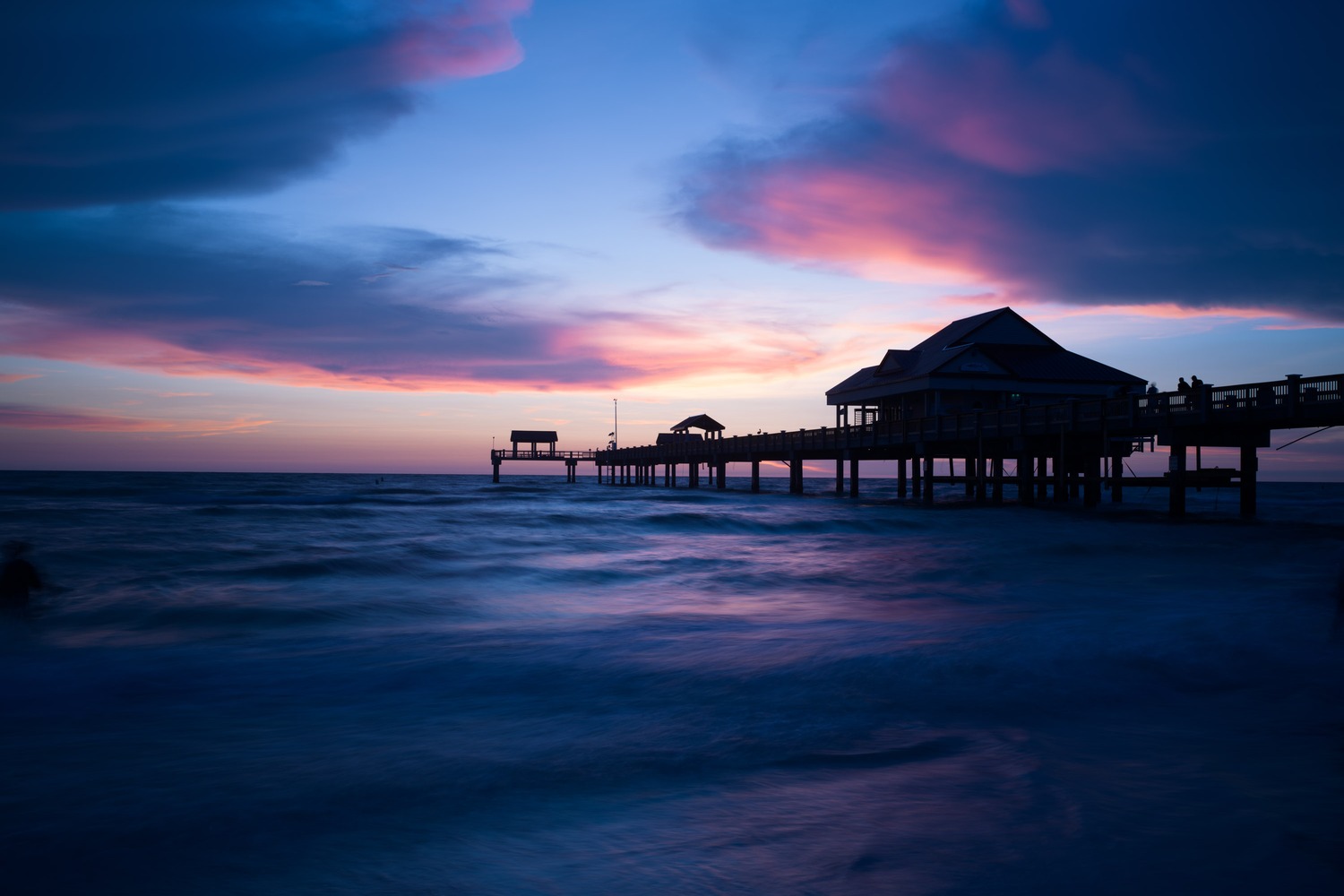
Some of the most dramatic colors appear after sunset, during the blue hour.
As the light fades, the scene becomes softer, calmer, and often more colorful.
Patience is one of the most valuable sunset photography techniques you can develop.
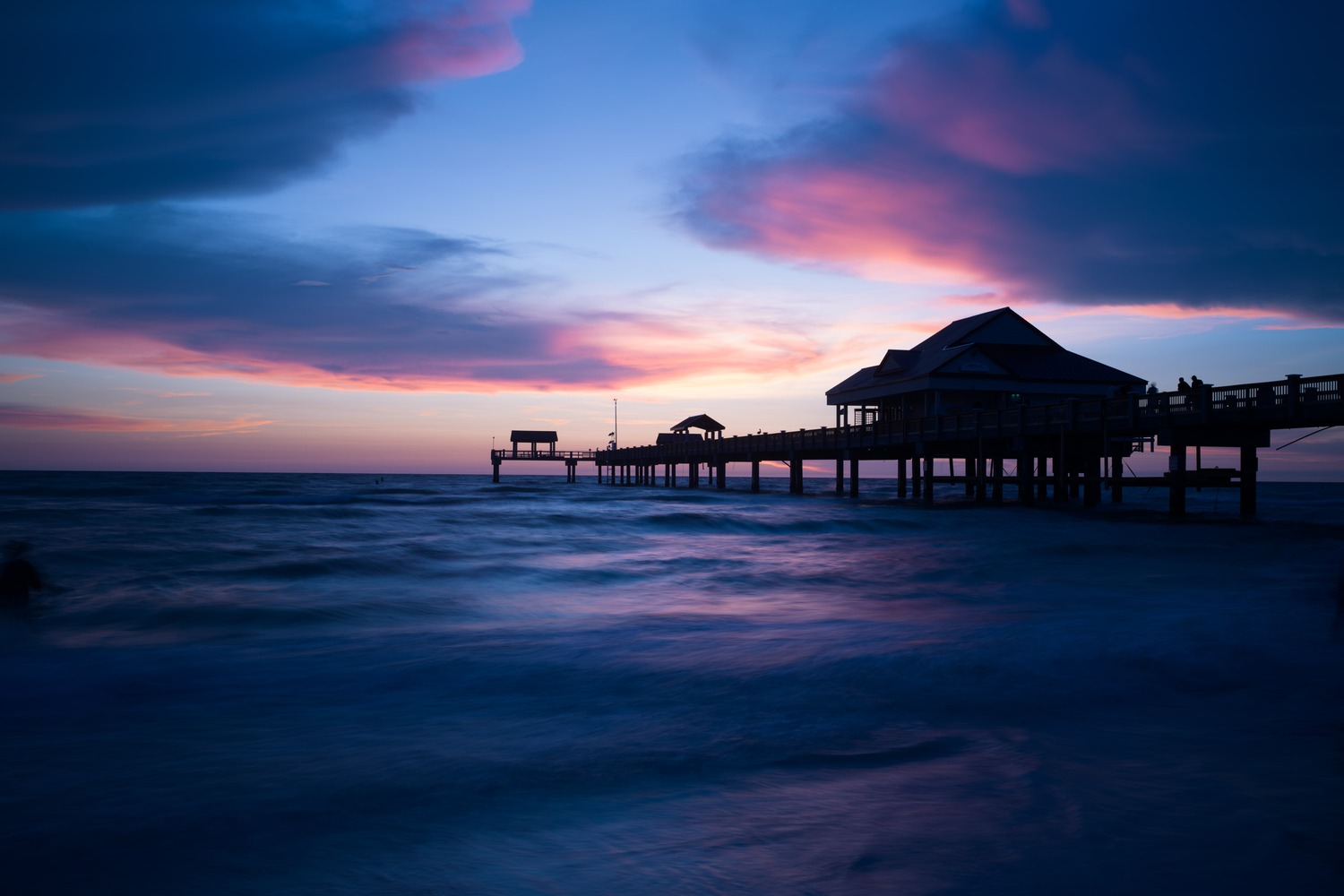
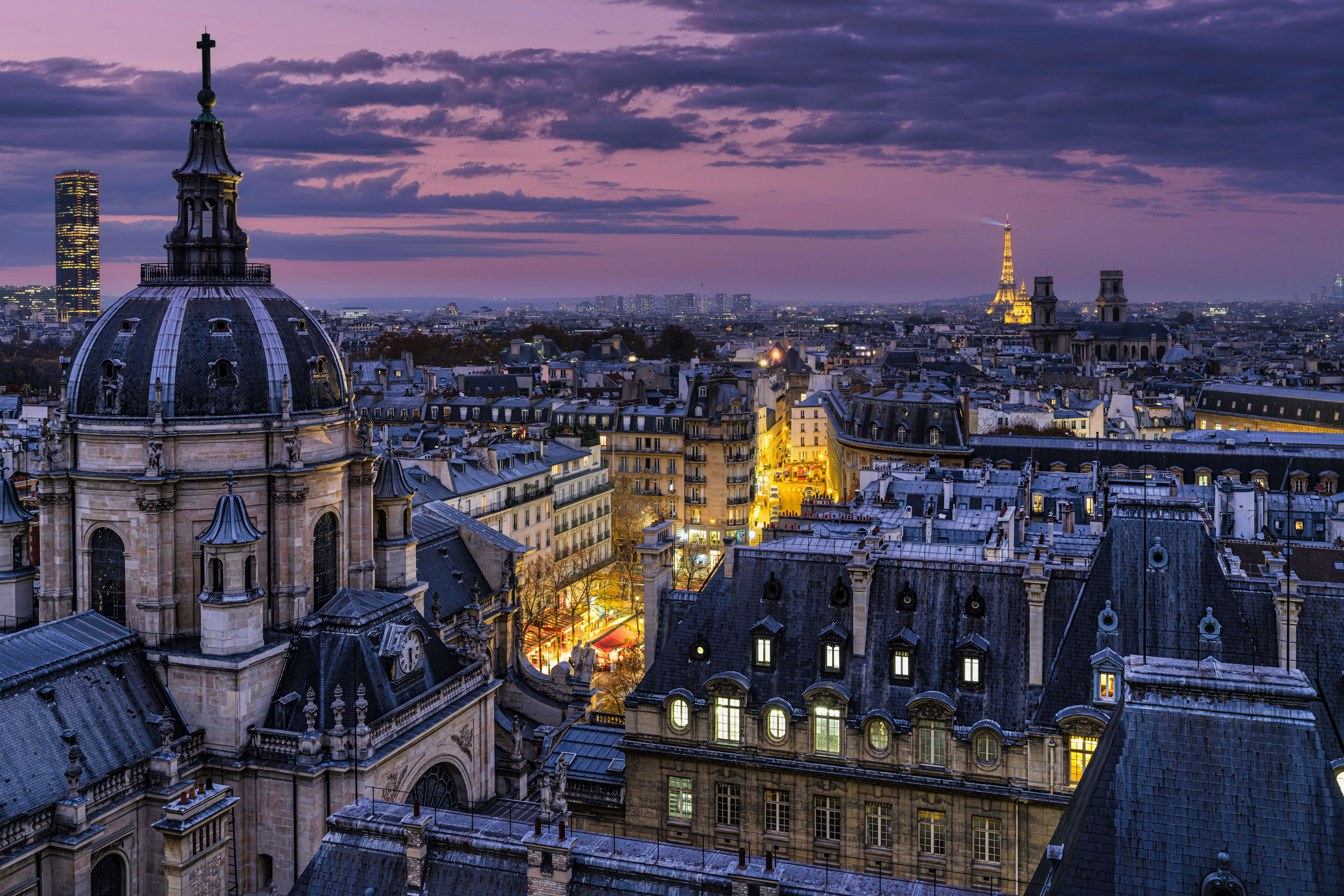
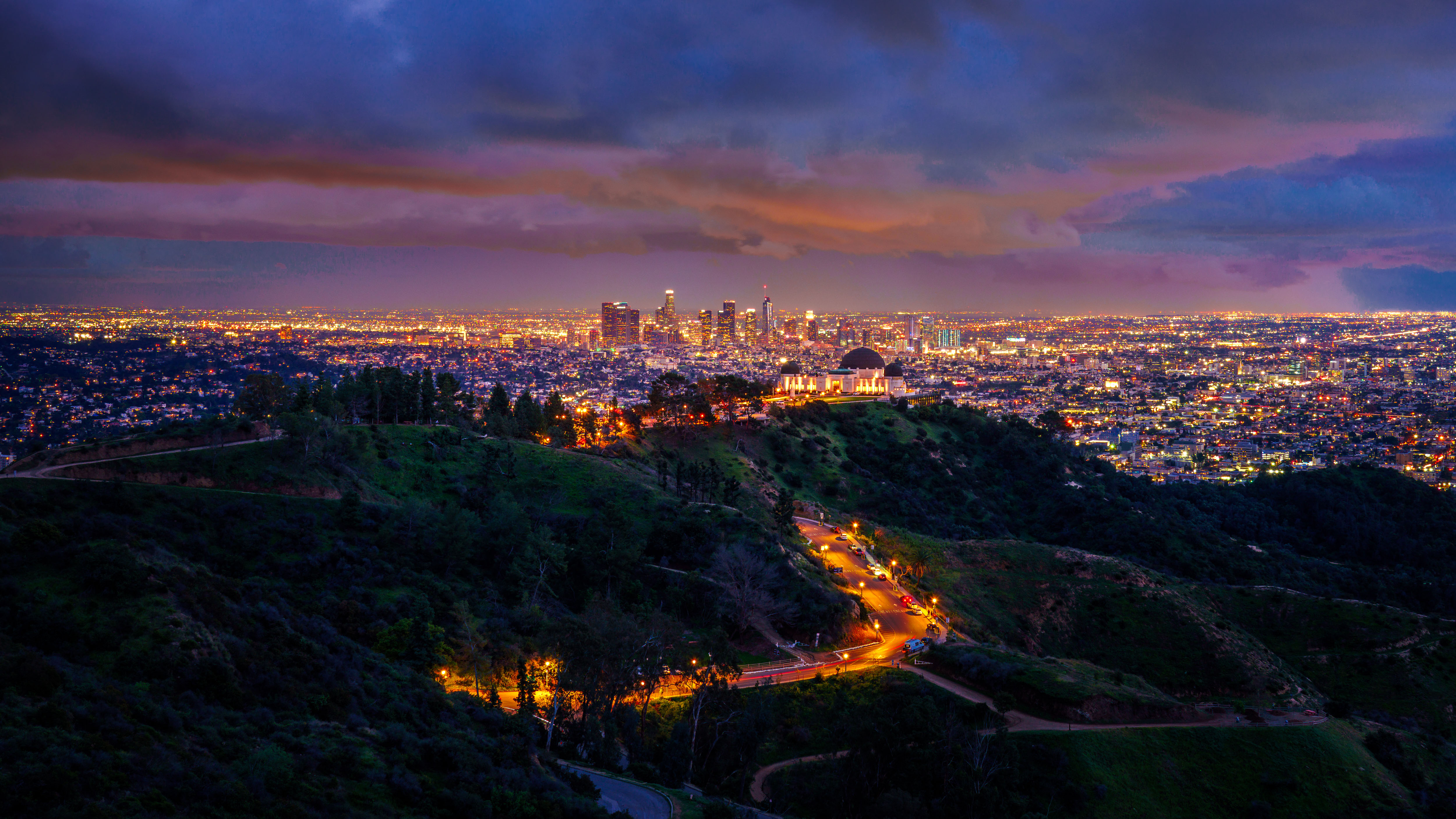
Ready to get 1 on 1 support to master your tools and take photos that have that WOW factor? Apply to become a certified Master of Photography here.
4. Simplify Your Composition
Strong photography composition is often about removing distractions.
Instead of including everything, focus on the elements that support your story.
Ask yourself:
What is the main subject?
Build the frame around that answer.
Simple images are often the most powerful.
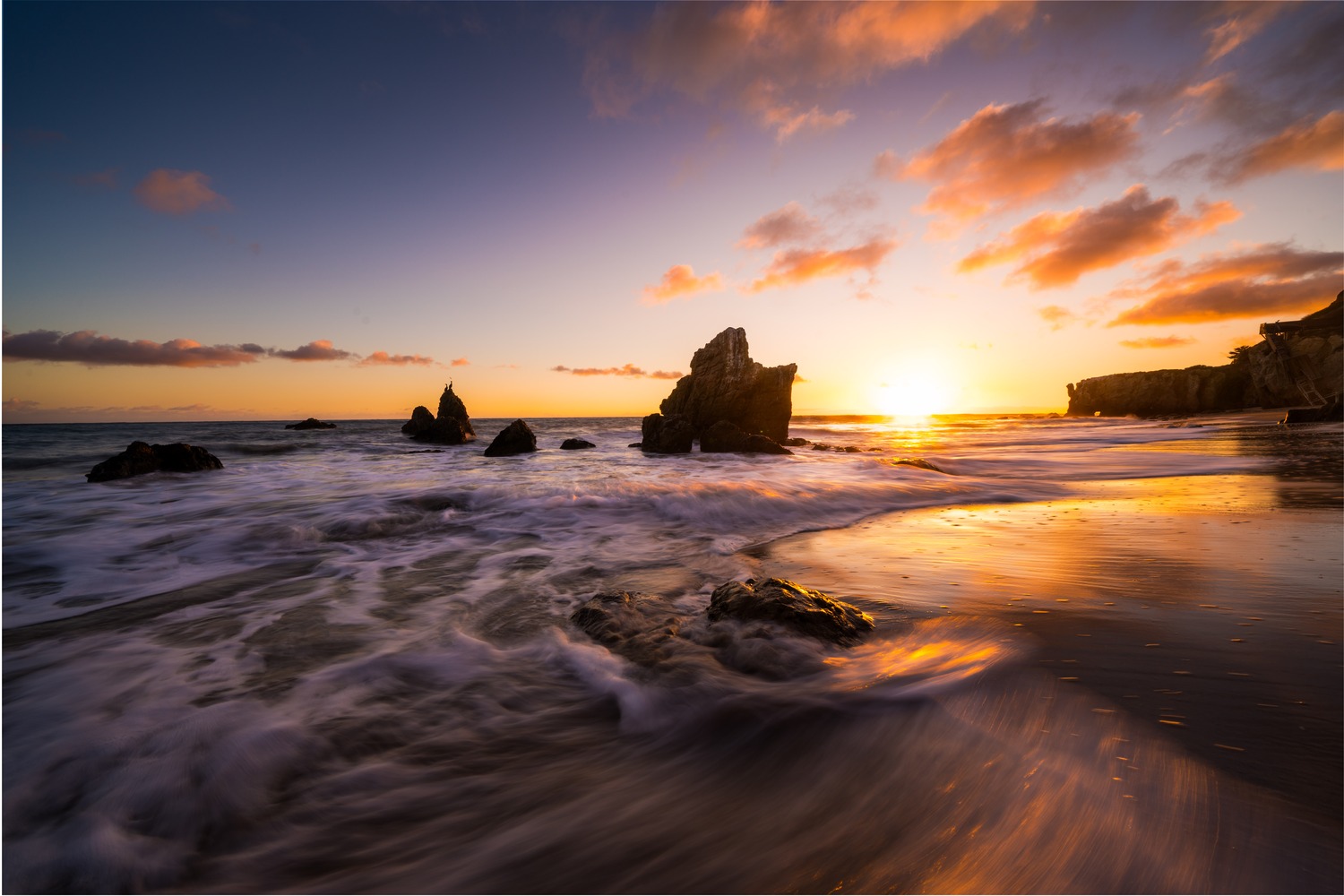
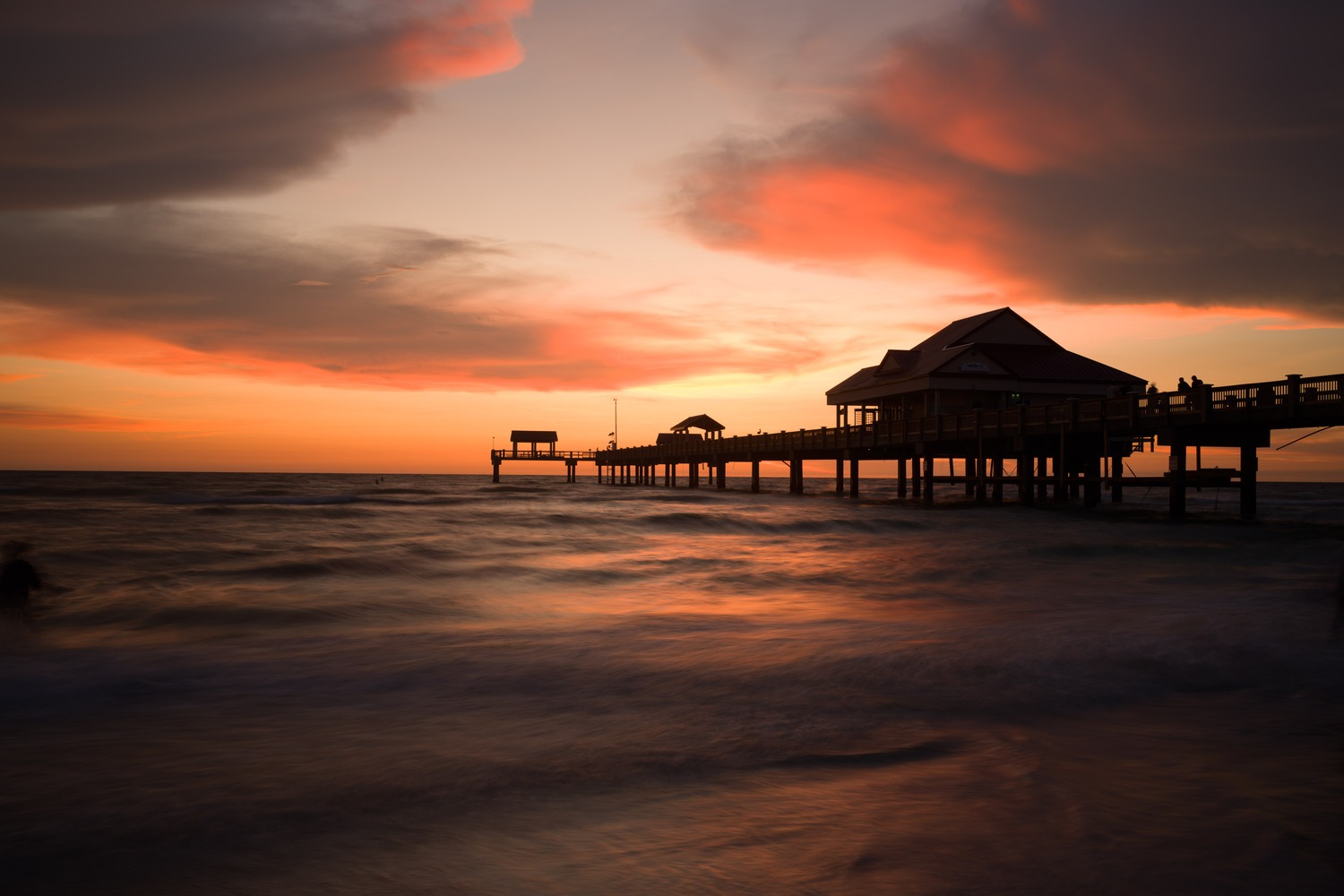
5. Experiment with Long Exposure Photography
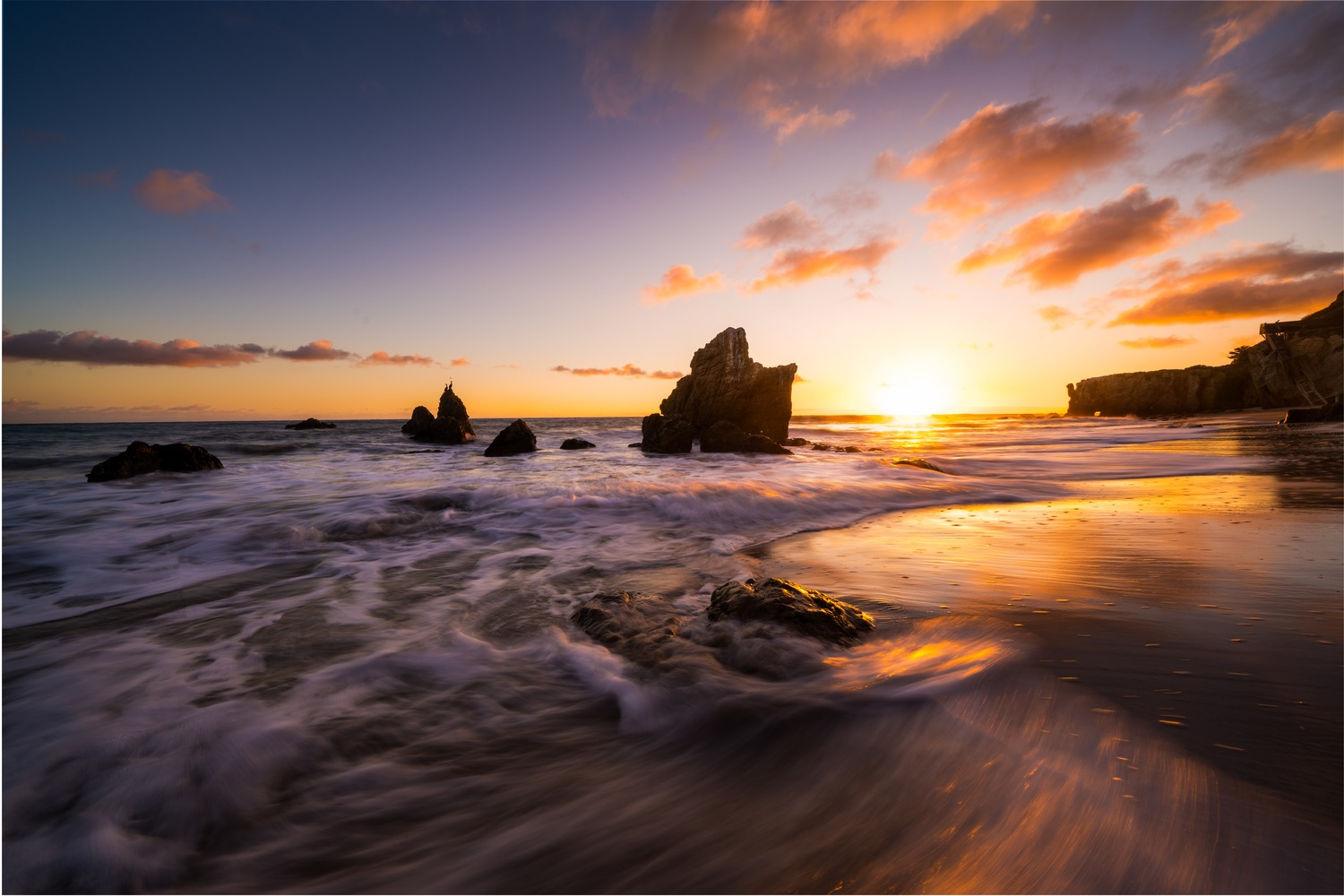
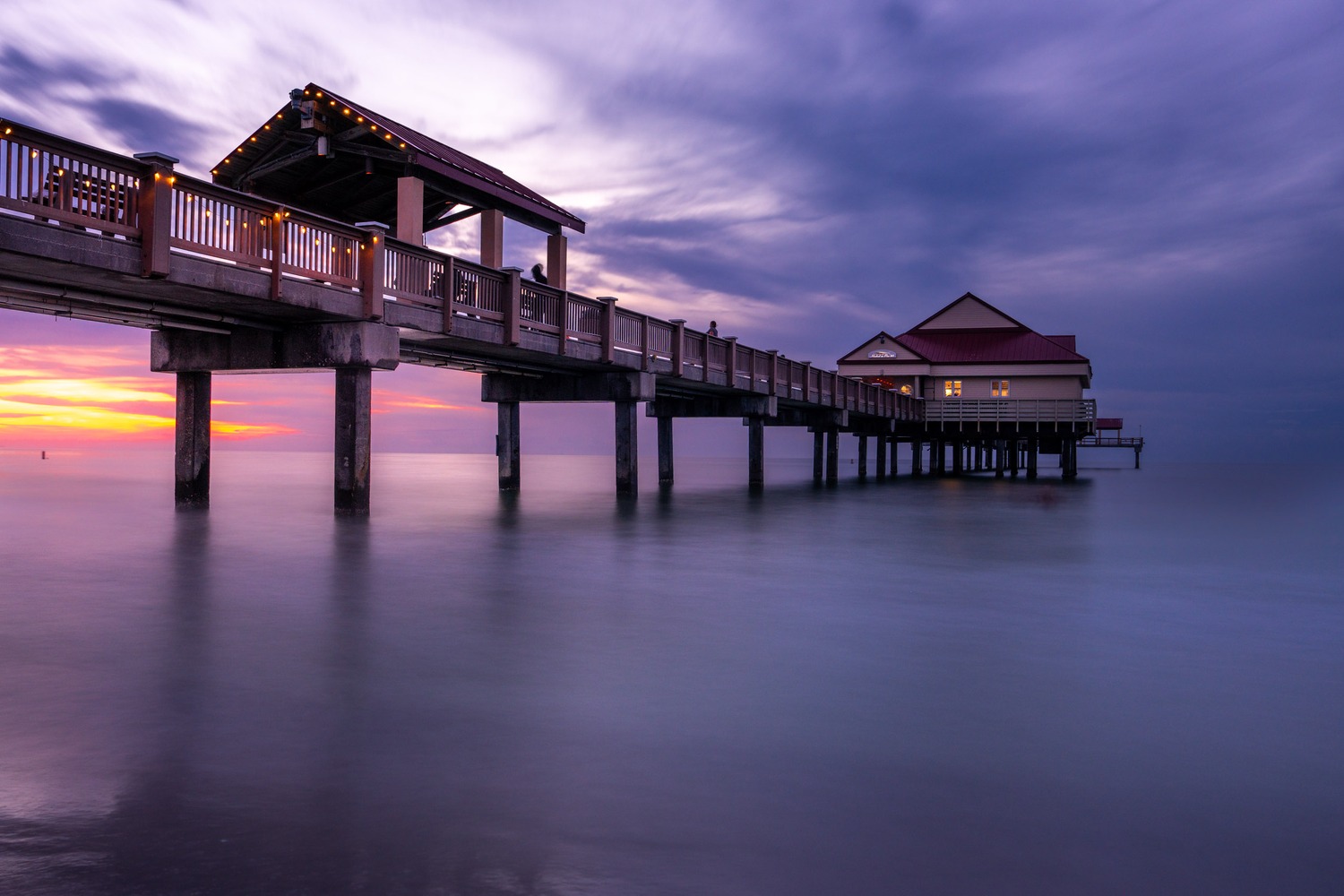
Long exposure photography can completely transform a sunset scene.
Moving water becomes silky.
Clouds stretch across the sky.
Crowded locations suddenly feel empty and peaceful.
A tripod is essential, but the results are often worth the extra effort.
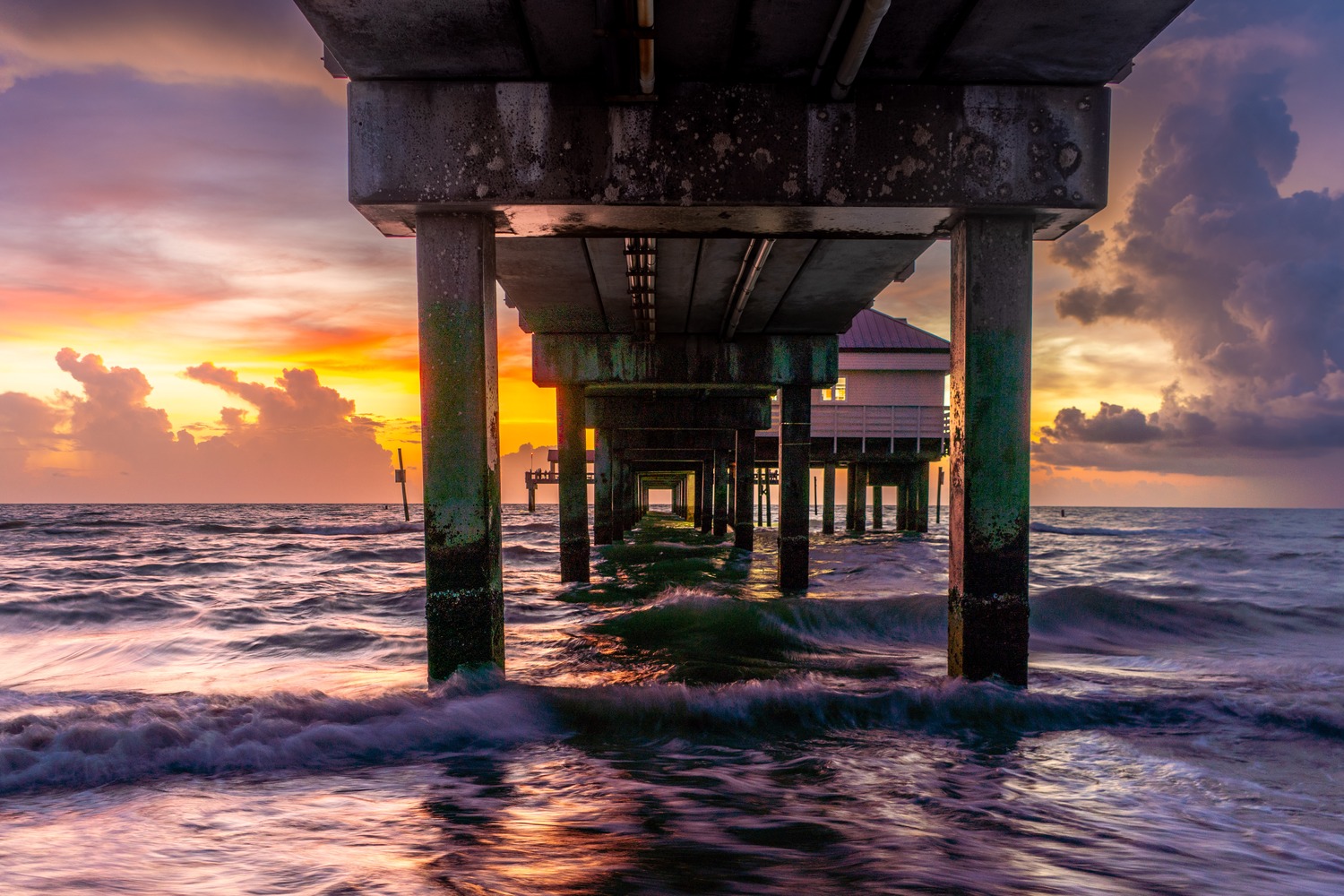
6. Use Reflections and Foreground Interest
The sky is only one part of a successful sunset image.
Look for reflections, textures, and interesting foreground elements that add depth to the photograph.
Great landscape photography often guides the viewer through multiple layers of the scene.
Foreground, middle ground, and background should work together.
Ready to get 1 on 1 support to master your tools and take photos that have that WOW factor? Apply to become a certified Master of Photography here.
7. Choose the Right Sunset Photography Settings
While every situation is different, a few settings provide a solid starting point:
- Shoot in Manual Mode
- Use a tripod
- Keep ISO as low as possible
- Focus carefully on your main subject
- Shoot in RAW format
These simple adjustments help preserve detail and maximize image quality.
8. Let Light Guide Your Decisions
The best sunset photographers don't chase colors.
They chase light.
Observe how light interacts with shapes, textures, and subjects.
A simple scene with beautiful light will almost always outperform a complex scene with poor light.
Ready to get 1 on 1 support to master your tools and take photos that have that WOW factor? Apply to become a certified Master of Photography here.
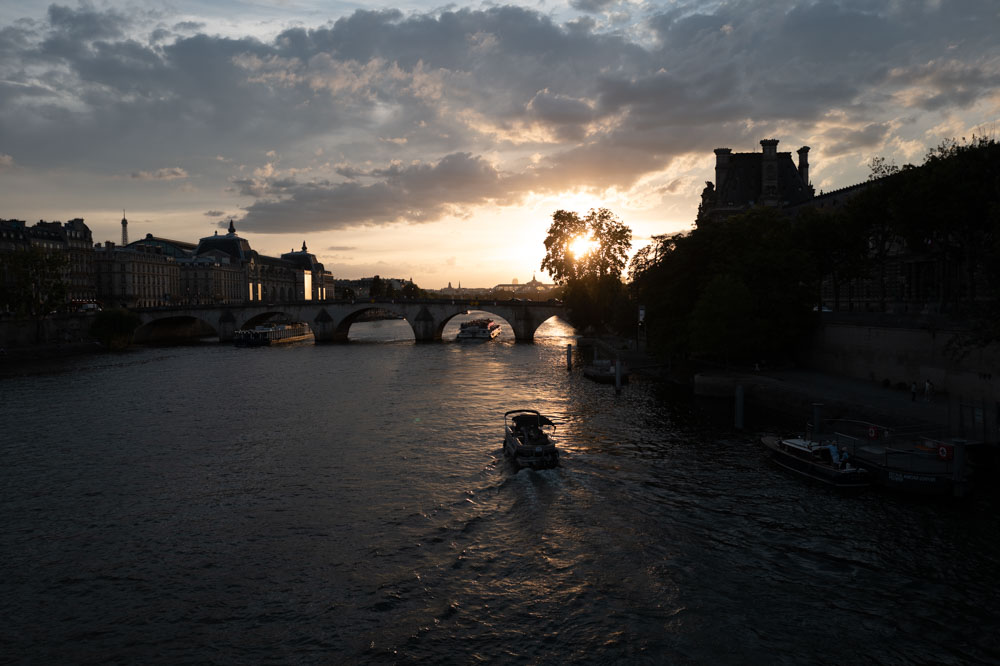
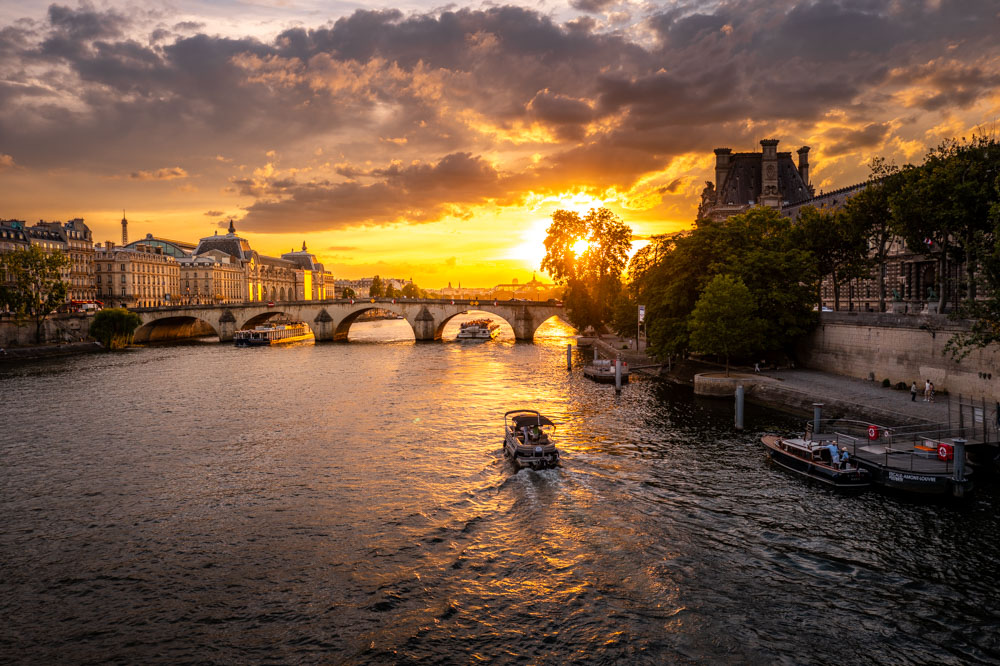
9. Enhance the Mood During Editing
Post-processing is an important part of modern sunset photography.
The goal isn't to create artificial colors.
The goal is to emphasize the atmosphere you experienced when capturing the image.
Subtle adjustments to contrast, highlights, shadows, and color temperature are often all you need.
BEFORE
AFTER
If you want to see my full workflow of how I retouch my photo, watch this video Click here to watch
Final Thoughts on Sunset Photography
Learning how to photograph sunsets is about more than technical settings.
It's about observation.
Patience.
Composition.
And understanding light.
The next time you head out with your camera, slow down and stay a little longer.
The most extraordinary sunset photos are often captured after everyone else has already gone home.
Get my FREE Lightroom preset here: https://bit.ly/AIPresets
Serge — Photoserge | Coaching photographers who are serious about getting to the next level.
