
Why I Spent 3 Years Perfecting My Lightroom Presets
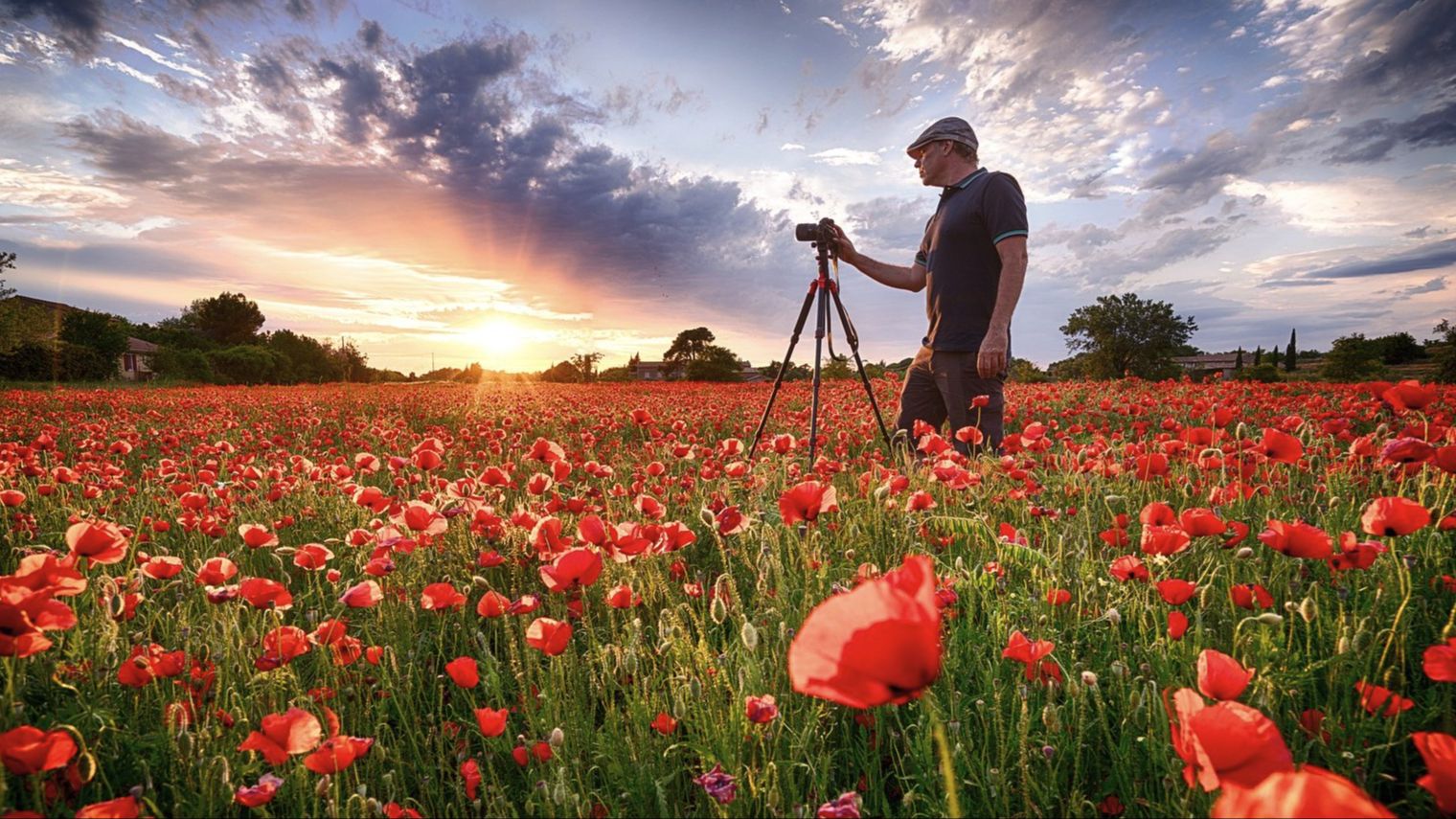
People often ask me how I create dramatic photos. The answer is simple: it starts by being out there, waiting for the right light.
I remember standing on that black sand beach in Iceland, watching the sun dip behind the mountains, painting the dunes in a gold I had never seen before. I spent 45 minutes shooting. I came home with 300 raw files. And then I spent three weeks trying to make them look the way they felt.
Every preset I tried was wrong. Too warm, too cool, too flat, too aggressive. The lavender fields of Provence looked nothing like the way they glowed at 5am. The blue hour over Tower Bridge lost its depth the moment I applied anything from my preset library.
That frustration was the beginning of a three-year obsession.
"I wasn't trying to build a product. I was trying to solve a problem that was keeping me up at night."
The Problem With Generic Presets
Most presets are built for a single type of image — usually a bright, warm, lifestyle photo taken in good afternoon light. Apply them to a blue hour cityscape or a misty mountain sunrise and they fall apart immediately. The colors shift in the wrong direction. The shadows crush. The sky burns out.
After years of shooting landscapes and cityscapes across Europe, the American West, and Iceland, I realized that travel and landscape photography has fundamentally different light than what most preset packs are designed for. You're dealing with extreme dynamic range, mixed artificial and natural light, complex color casts from golden hour and blue hour, and scenes that are already emotionally charged before you even touch the edit.
Ready to get 1 on 1 support to master your tools and take photos that have that WOW factor? Apply to become a certified Master of Photography here.
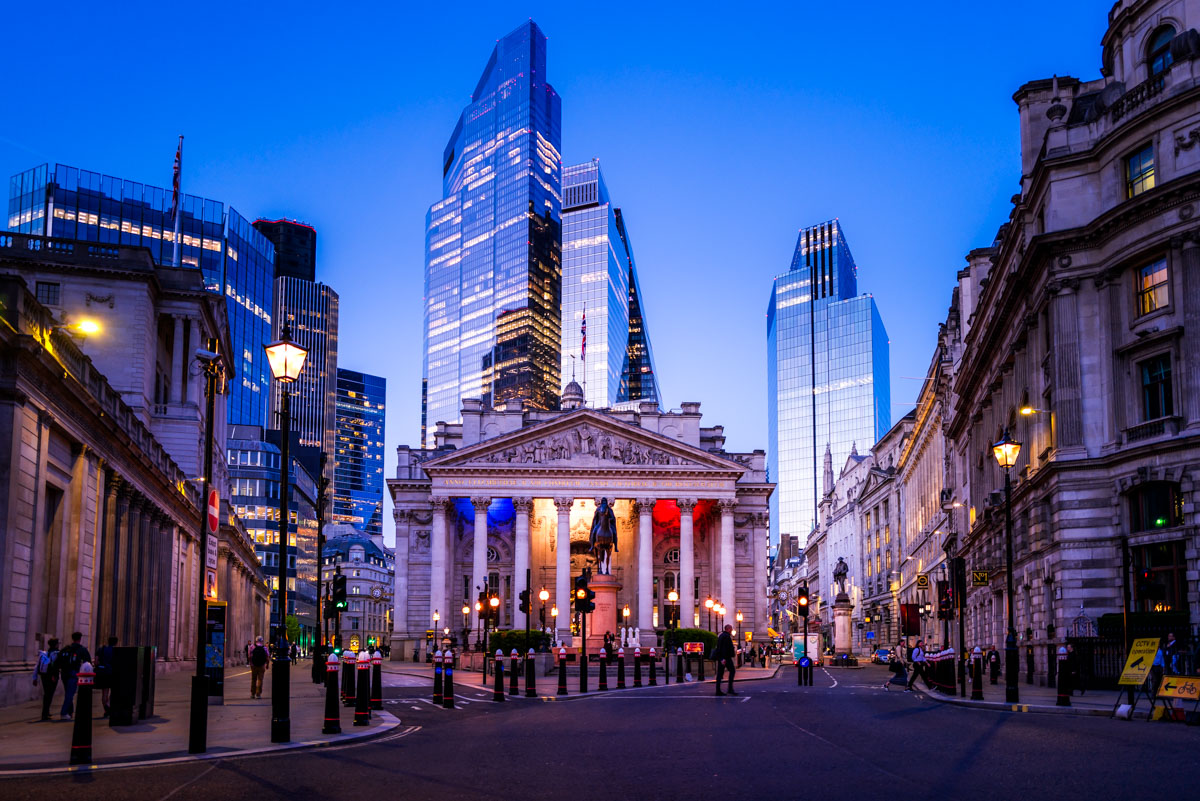
Blue hour in the City of London: the mix of deep blue sky, warm artificial lighting, and glass reflections is exactly the scenario where generic presets fail.
Three Years, Hundreds of Locations
The process started as personal workflow. I began building custom adjustments for the specific conditions I kept encountering: the electric blue of Venice's canals at dawn, the blazing sunset over Rome's Tiber River, the soft lavender-to-gold transitions of Provence, the silky long-exposure water of a rocky coastline.
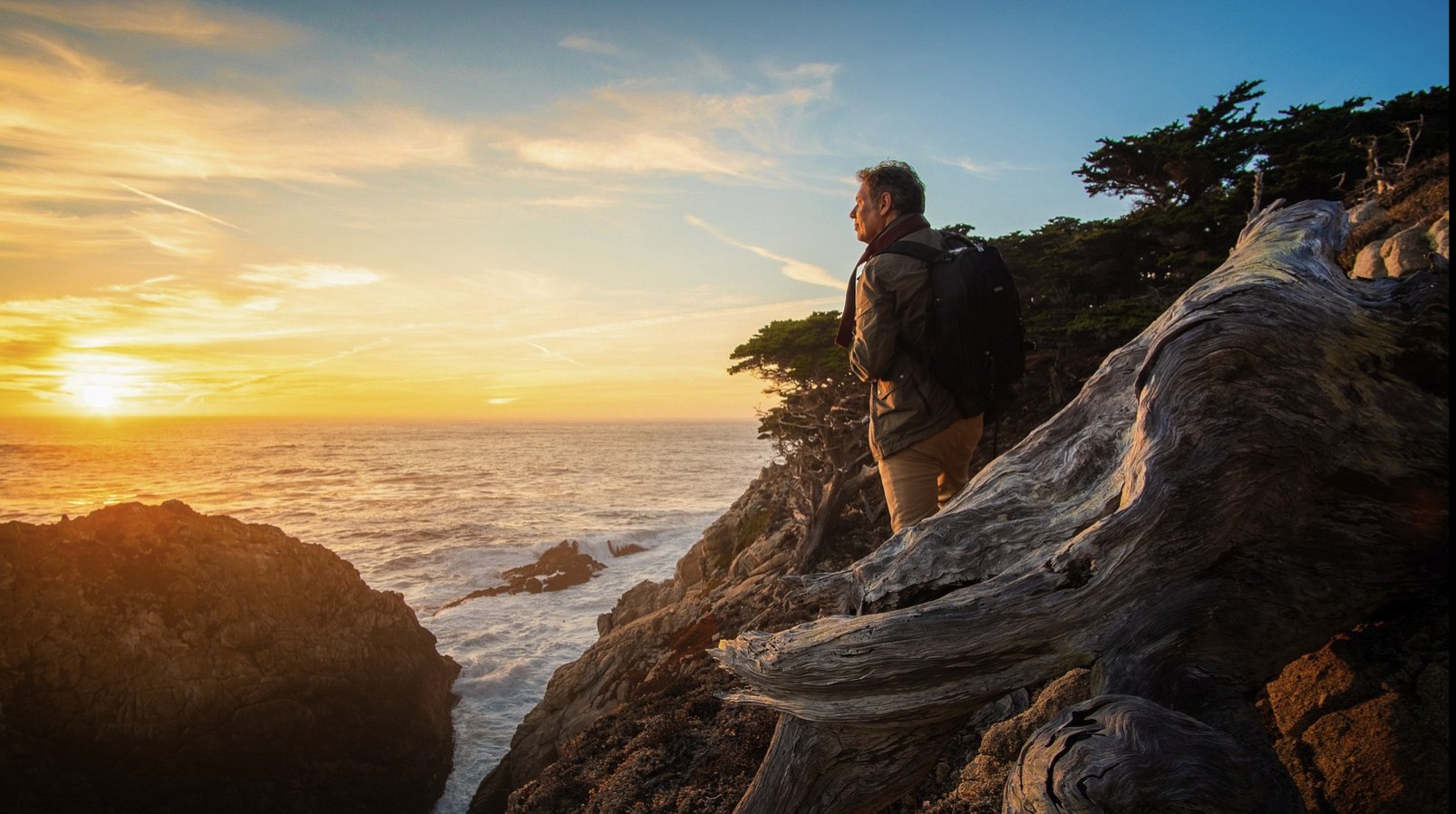
Point Lobos, California: every shoot was also a test. What does the light demand? What does the preset need to do to preserve it?
Every trip became a laboratory. I photographed Venice at every possible hour — blue hour, golden hour, flat grey mornings, dramatic sunsets. I went back to the same spots a dozen times in different seasons to understand how the quality of light changed the edit.
Ready to get 1 on 1 support to master your tools and take photos that have that WOW factor? Apply to become a certified Master of Photography here.
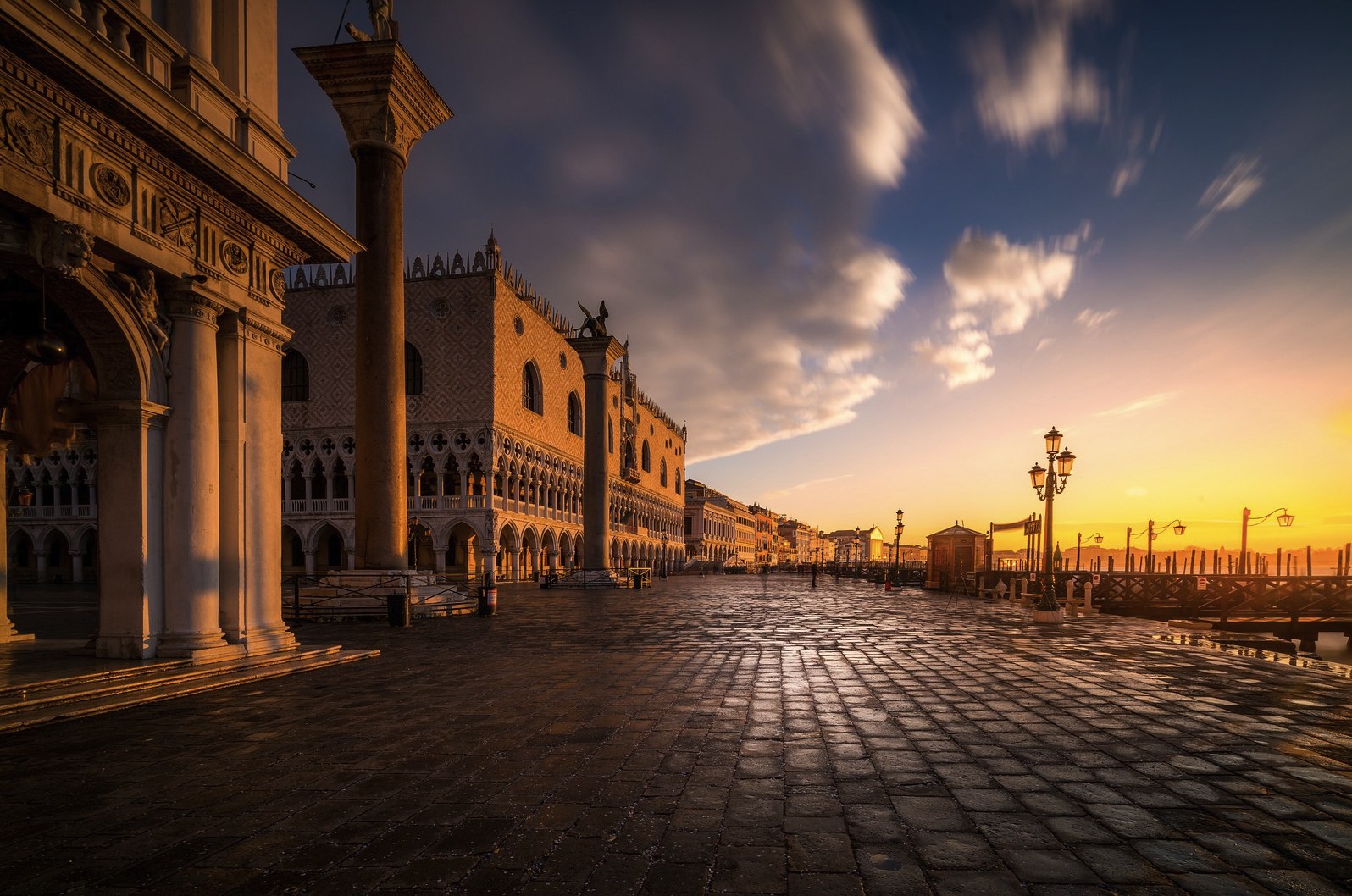
Venice at sunset: the purple-to-orange sky gradient, the blue gondola tarps, and the warm glow of the city — three competing colour families that need to coexist.
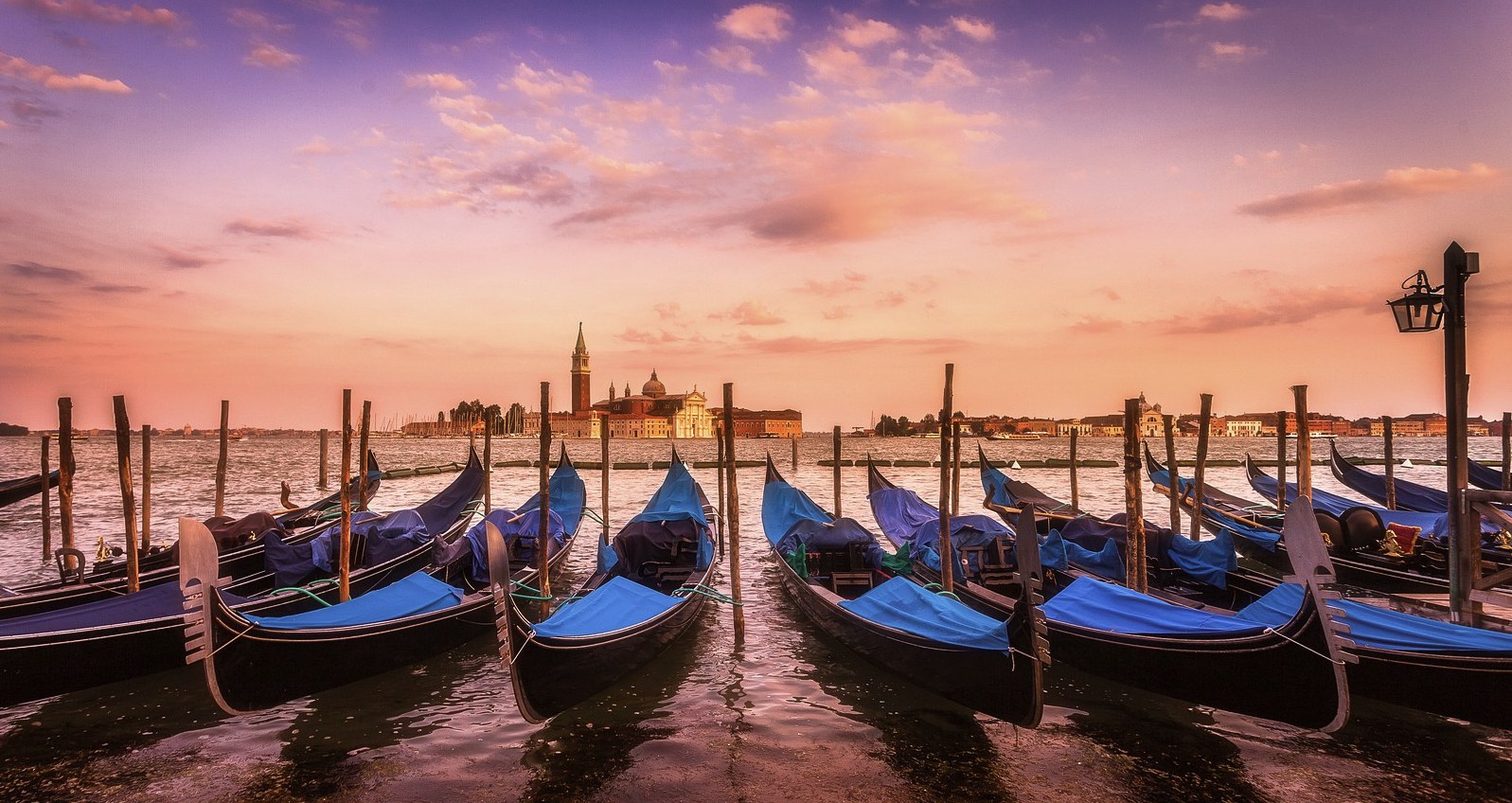
The same location, different light, radically different edit — each version taught me something new about how colour behaves at the edge of day.
What Makes the Light Different at Blue Hour
One of the things I kept coming back to was blue hour — that 20-to-30-minute window after sunset when the sky turns a deep, even blue and city lights ignite. It's my favourite time to shoot, and it's also the hardest to edit well.
The challenge is that blue hour images contain two completely different white balance zones: the warm amber of artificial lights and the cold steel-blue of the sky. A global white balance adjustment destroys one or the other. What you need is a layered approach — treating the sky and the artificial lights as distinct colour environments.
Ready to get 1 on 1 support to master your tools and take photos that have that WOW factor? Apply to become a certified Master of Photography here.
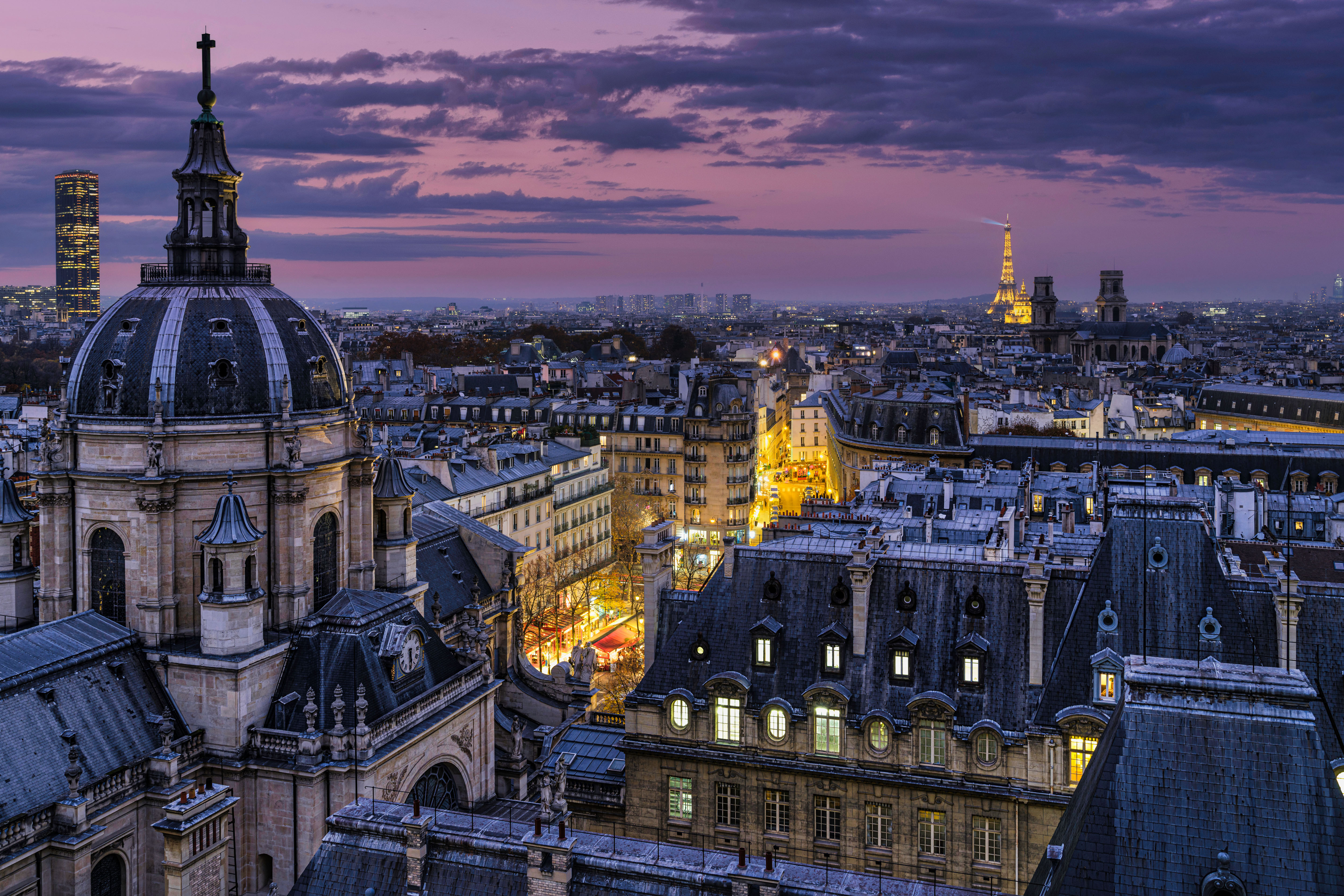
Paris at blue hour — golden window light against a violet sky, framed by the city's rooftops and the distant Eiffel Tower.
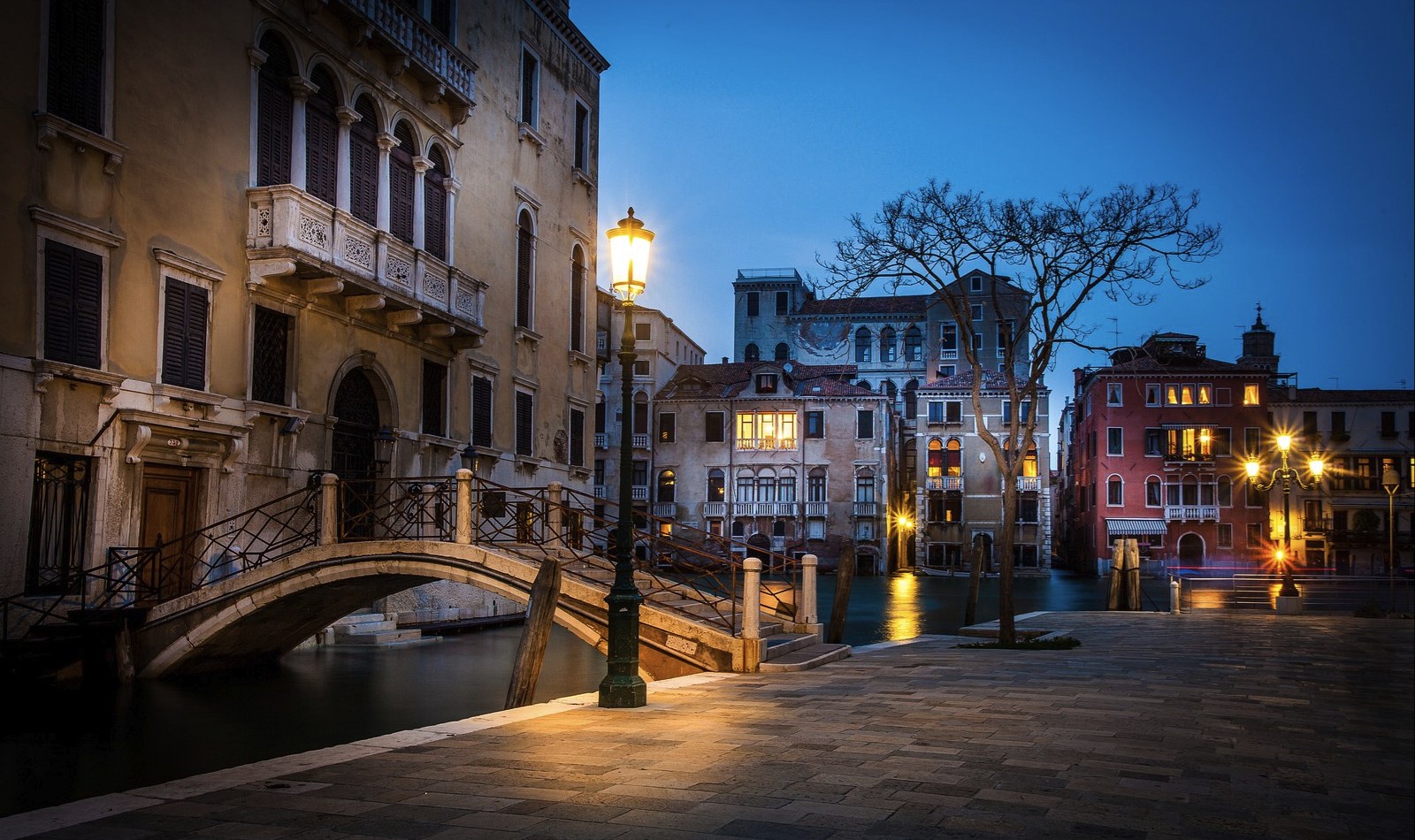
Grand Canal, Venice: long exposure light trails from a passing boat in the blue hour — editing this without destroying either the canal blue or the warm building facades took months to get right.
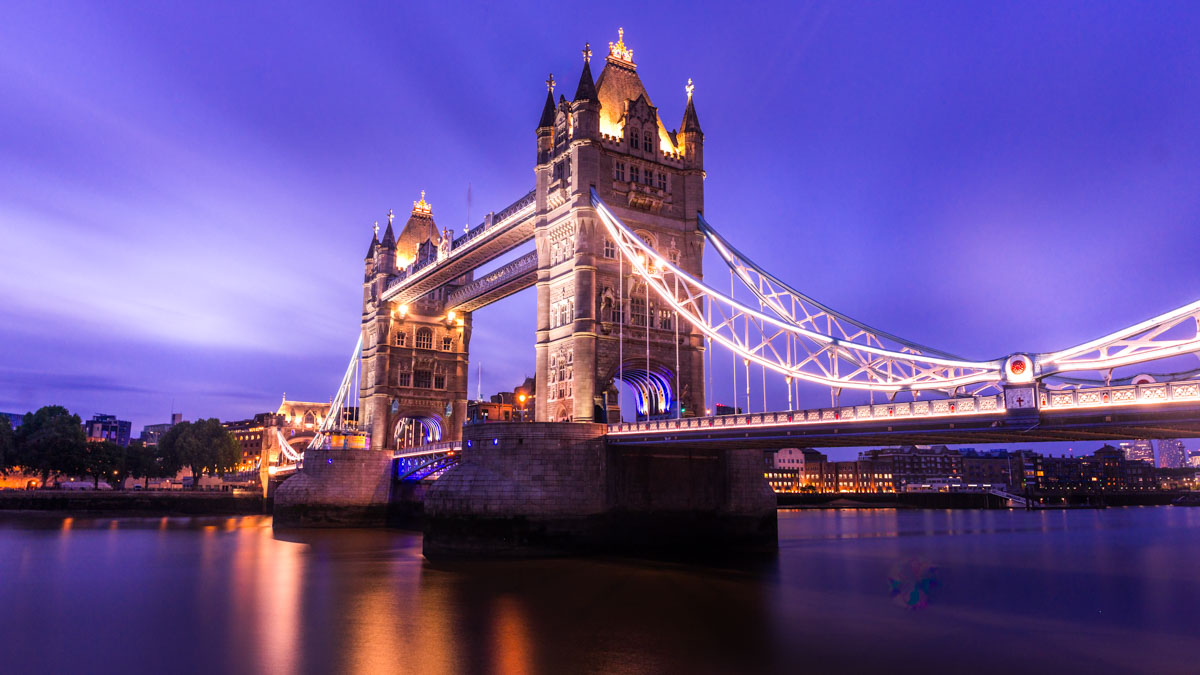
Tower Bridge at blue hour with long exposure: the silky Thames, the violet sky, and the warm bridge lights — three zones, one consistent treatment.
From Iceland to Rome: Building for Extreme Conditions
The most demanding images I've ever edited are those where the light hits with full dramatic force — a Roman sunset that turns the entire sky into flame, a Tuscan valley wrapped in pre-dawn mist, a Venetian piazza bathed in golden light before the city wakes up.
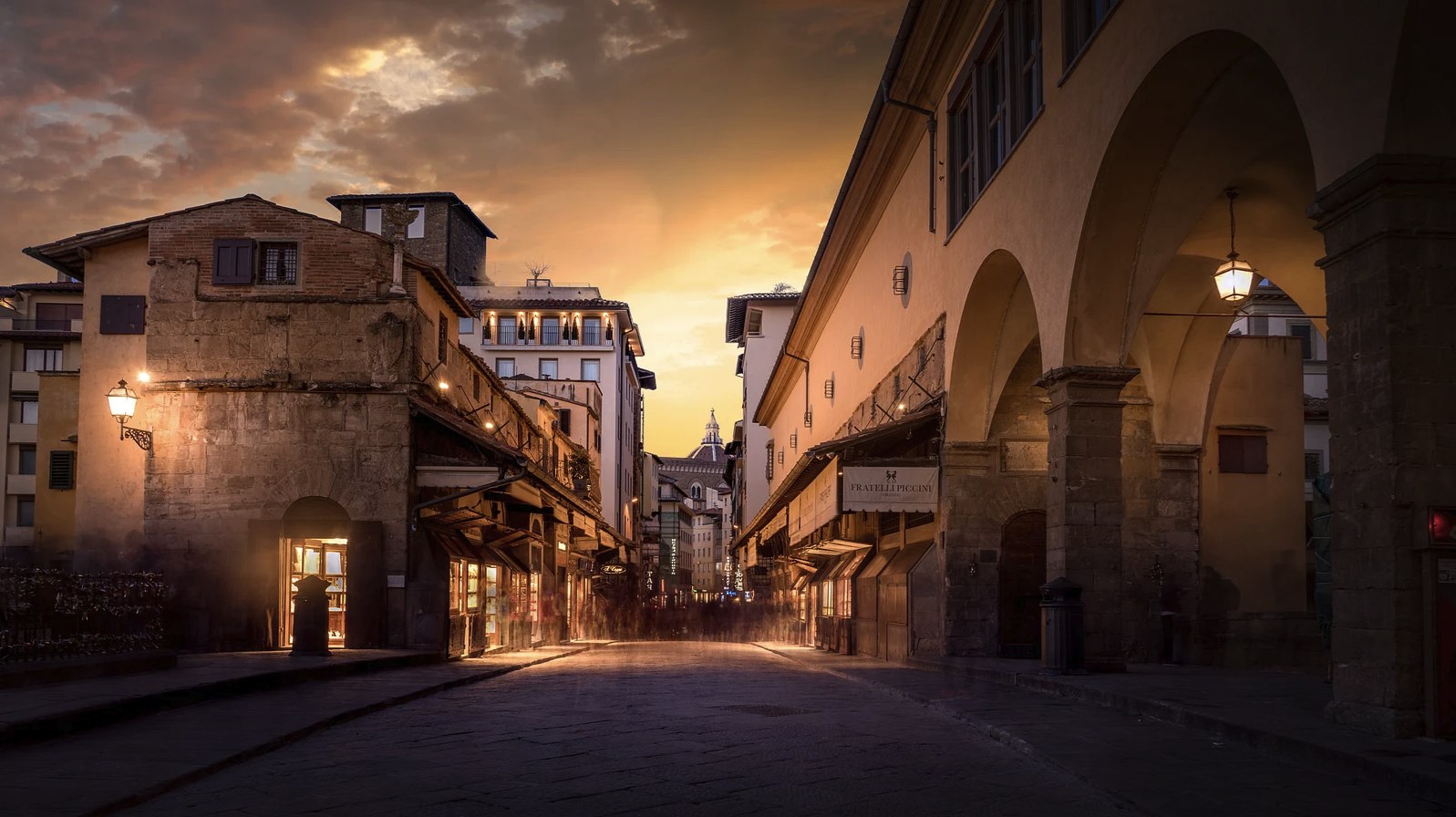
This scene combines warm artificial light, deep shadows, and a bright sunset sky — a perfect challenge for any Lightroom preset.
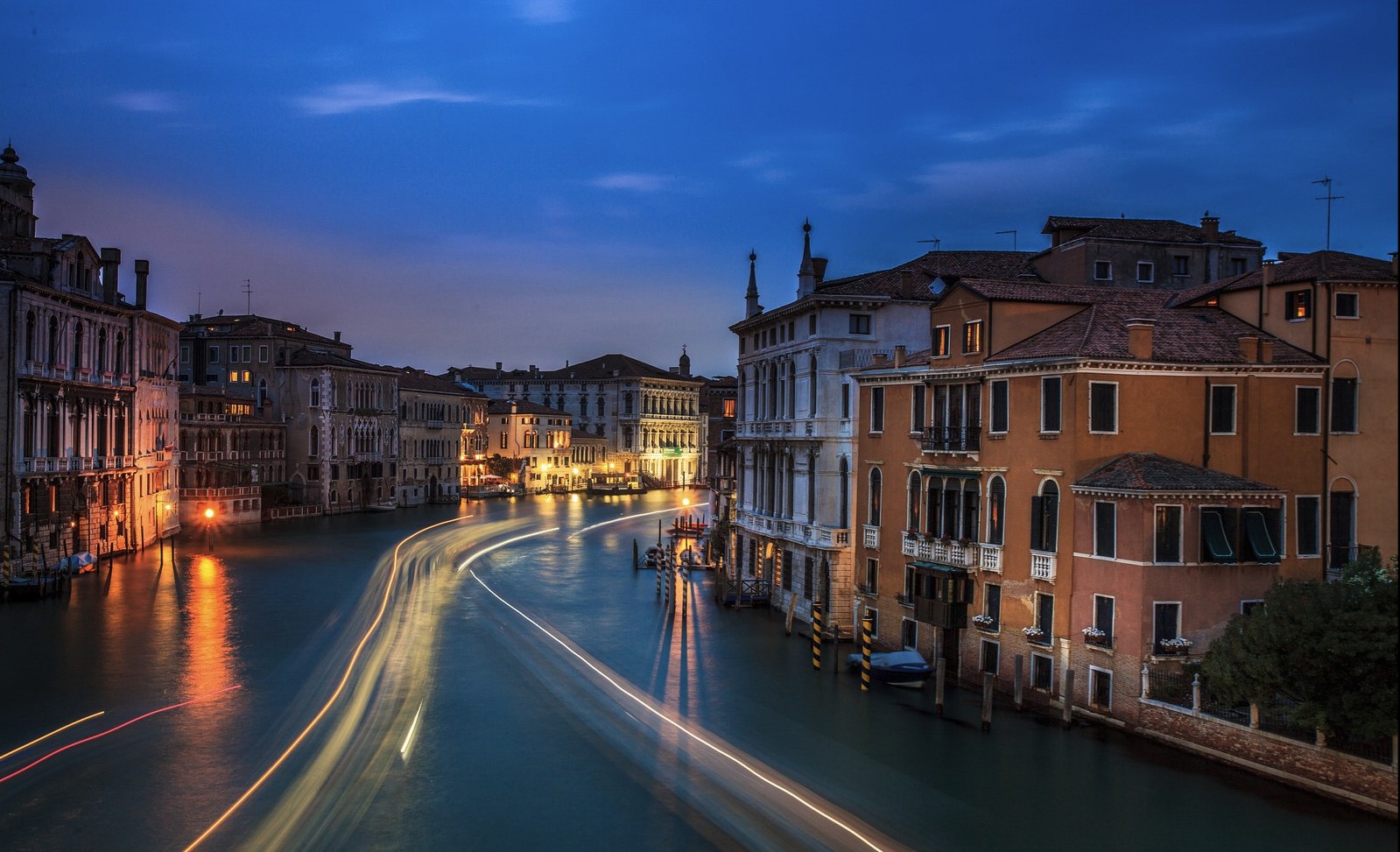
Venice: the layered mists and the cool blue-to-pink gradient required the most delicate colour grading of any image in my library.
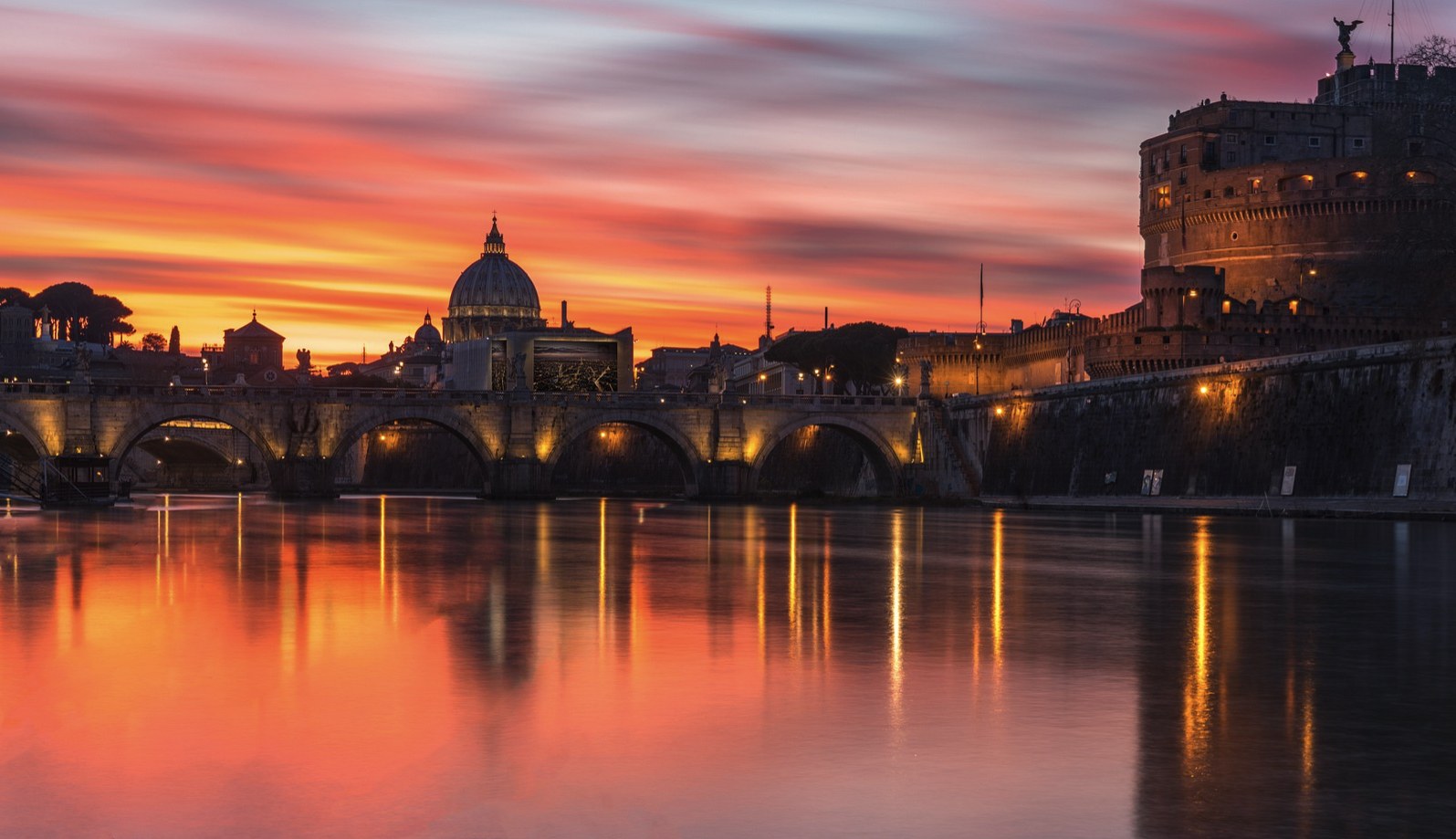
Rome at sunset — a great test of how well a preset balances rich sunset colors, deep shadows, and glowing reflections while keeping the image natural.
I learned to build presets that work as a starting point rather than a final look. The best preset isn't the one that does the most — it's the one that does the right things first, so that your local adjustments take minutes instead of hours.
A Consistent Visual Language Across the World
After three years of testing and refining, what I ended up with was a collection of presets that share a visual DNA — rich but not oversaturated, cinematic but not fake, atmospheric without losing detail. Images that look like they belong together whether they were shot in Venice, Florence, or Provence.
Ready to get 1 on 1 support to master your tools and take photos that have that WOW factor? Apply to become a certified Master of Photography here.
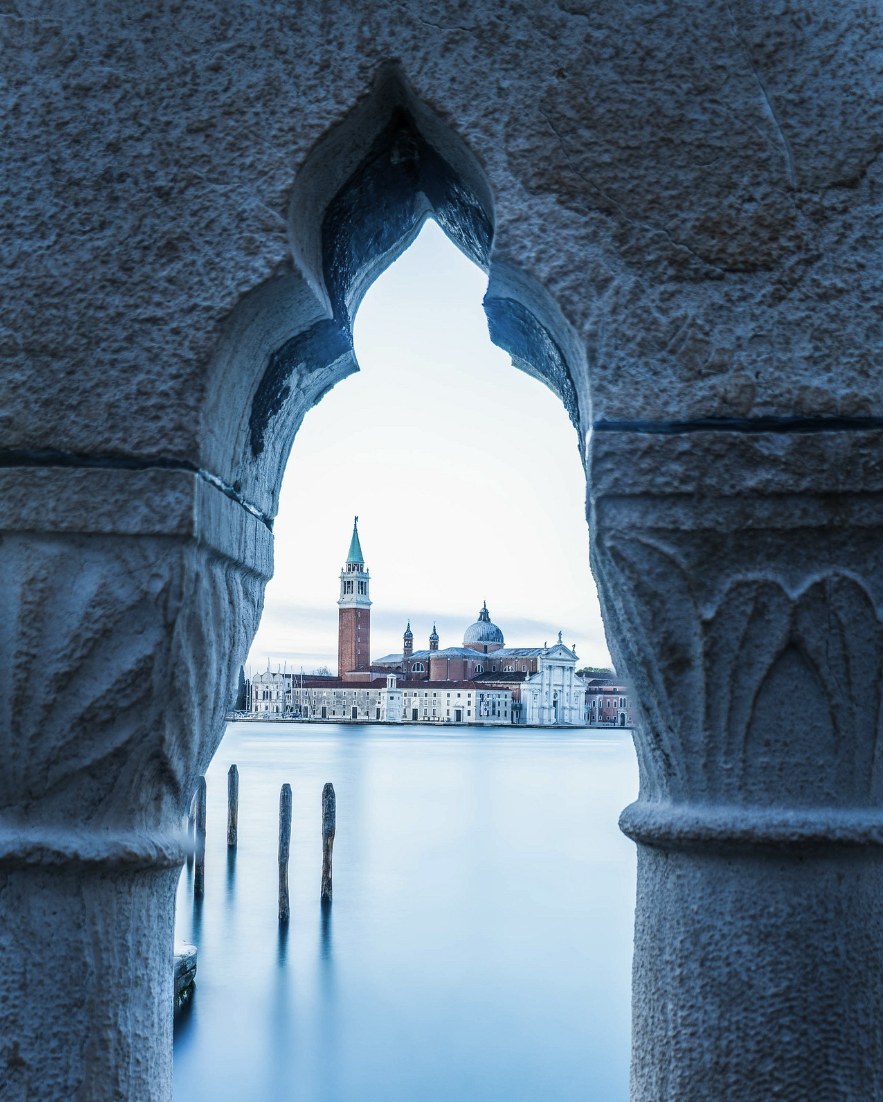
Venice: San Giorgio Maggiore framed through a Gothic arch — the cool, sculptural stillness of this image required a completely different treatment than the warm golden shots.
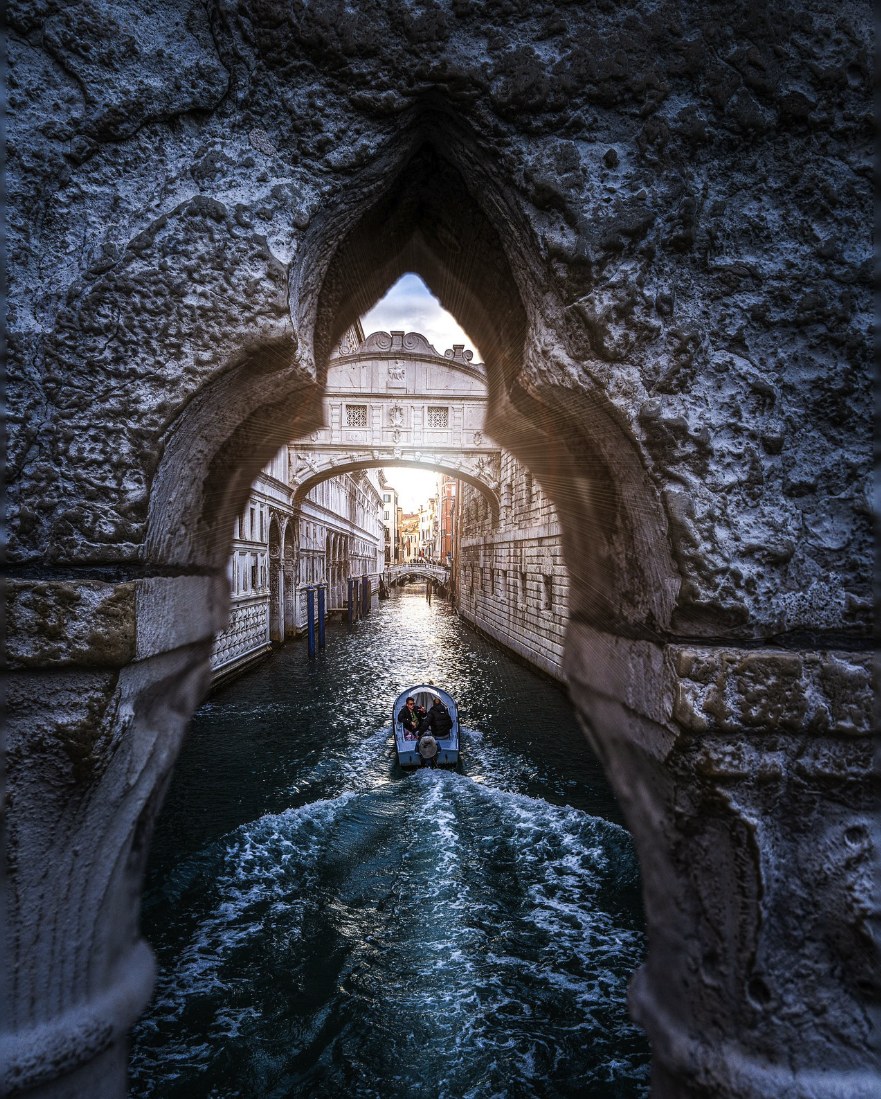
Venice, Bridge of Sighs: the arch-within-arch framing and the backlit canal are a perfect stress test for any preset.
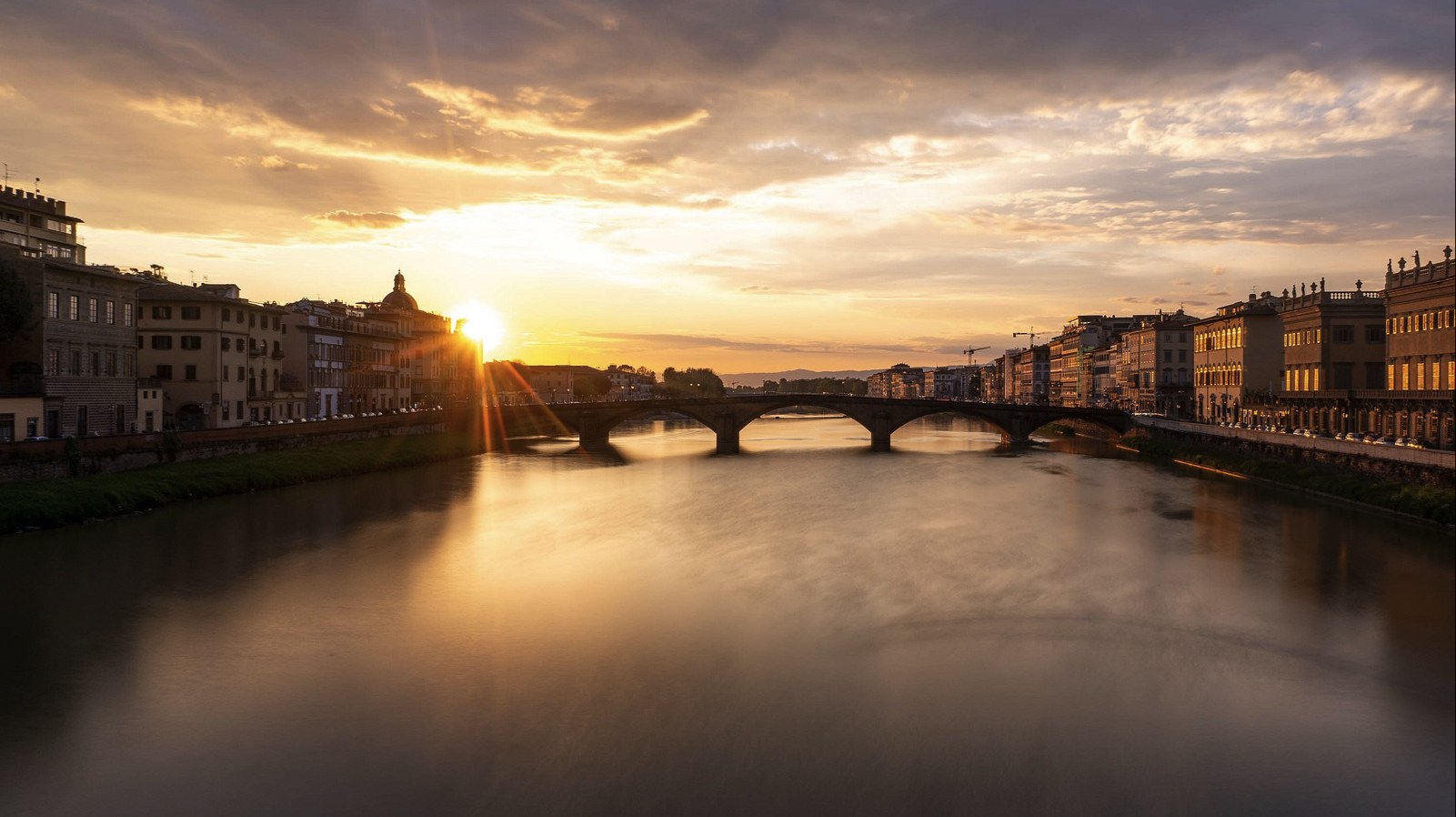
This image combines glowing sunset light, reflective water, and shadow detail — perfect for testing how a preset handles dynamic range without losing realism.
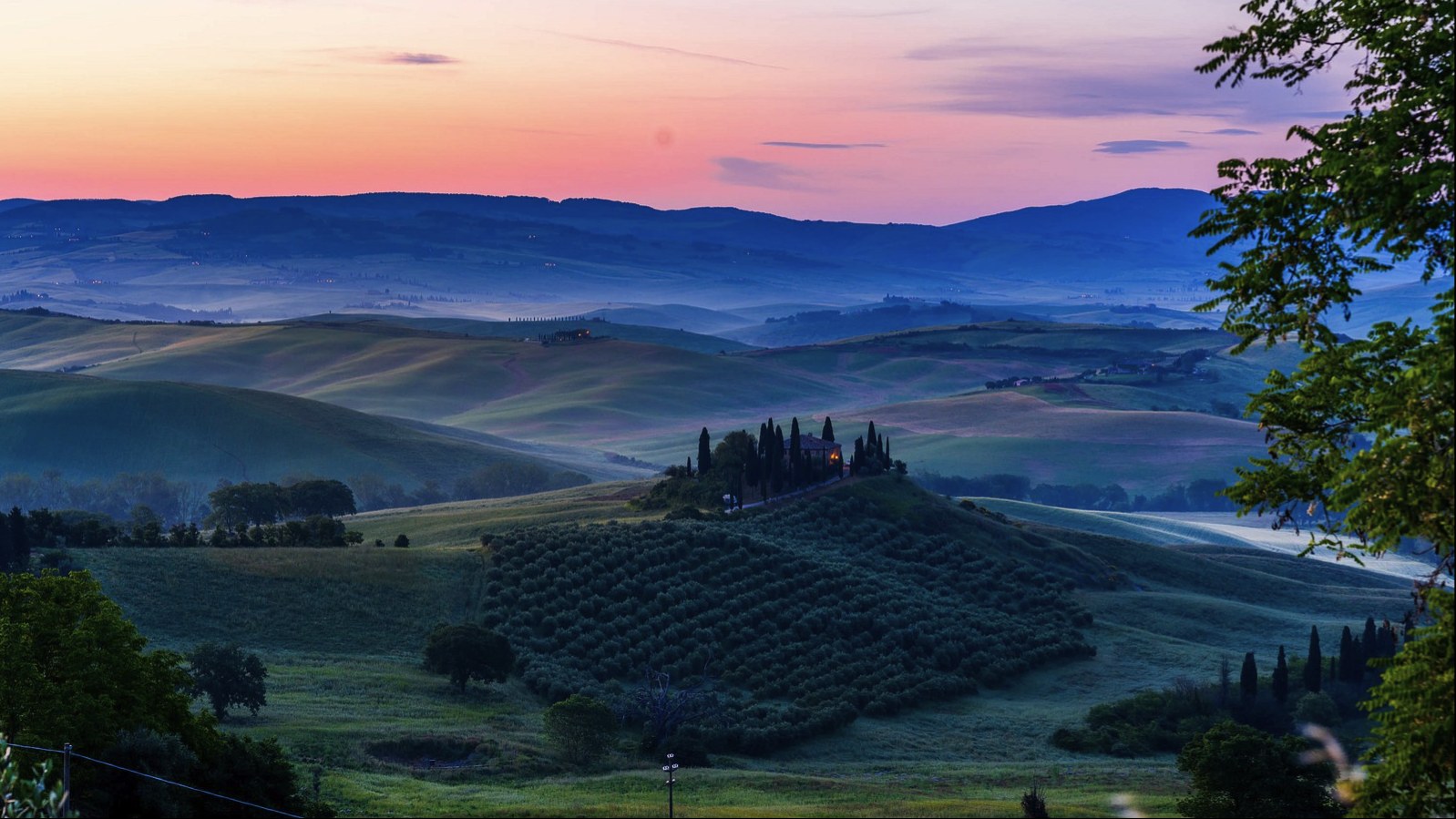
Rolling hills at dawn: soft pastel colors, delicate atmospheric haze, and subtle shadow transitions reveal how naturally a preset handles color and depth.
Why This Matters to You
If you shoot landscapes, cityscapes, or travel photography, you know the frustration of coming home from an incredible trip with images that don't match what you saw. The light was perfect. The moment was real. But something gets lost between the camera and the screen.
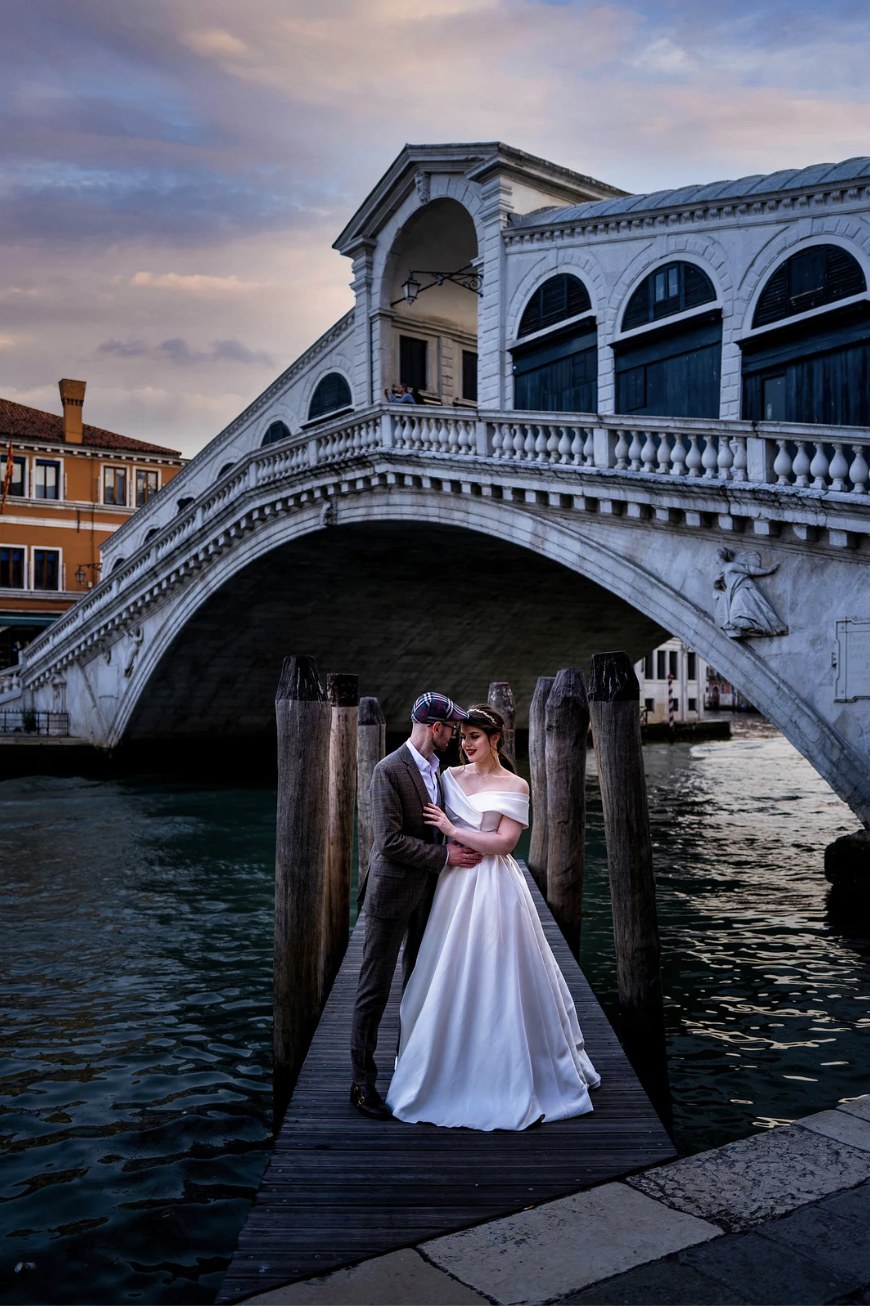
Venice at dusk: a great preset should preserve natural skin tones while balancing cool shadows, warm highlights, and the rich textures of the historic surroundings.
That's what I built these presets to fix. Not to manufacture a look, but to recover and amplify what was already there — the drama of a blazing Roman sunset, the quiet magic of a Venetian dawn, the cinematic sweep of a Tuscan valley at first light.
Three years of shooting, failing, and refining went into these presets. They're available now — and they work best on exactly the kind of images I've shown you here.
Discover the full preset collection here.
