
Is AI Killing Photography? My Honest Answer
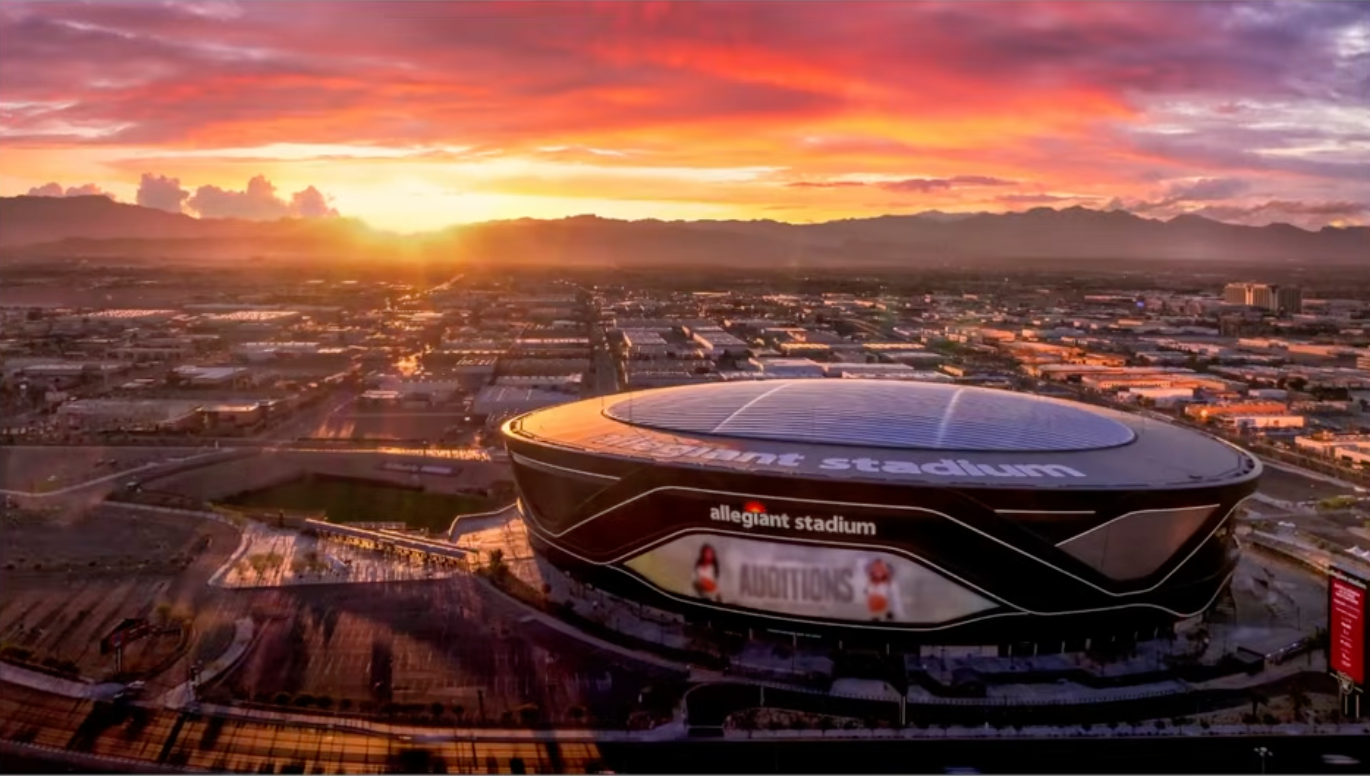
Is AI destroying photography — or is it just another tool? After more than 20 years as a photographer, this is a question I get all the time, and I don't think the honest answer is a simple yes or no.
Why I Still Travel for the Real Thing
I recently traveled through Italy with a group of photographers who spent real money to experience Venice, Florence and Tuscany in person.
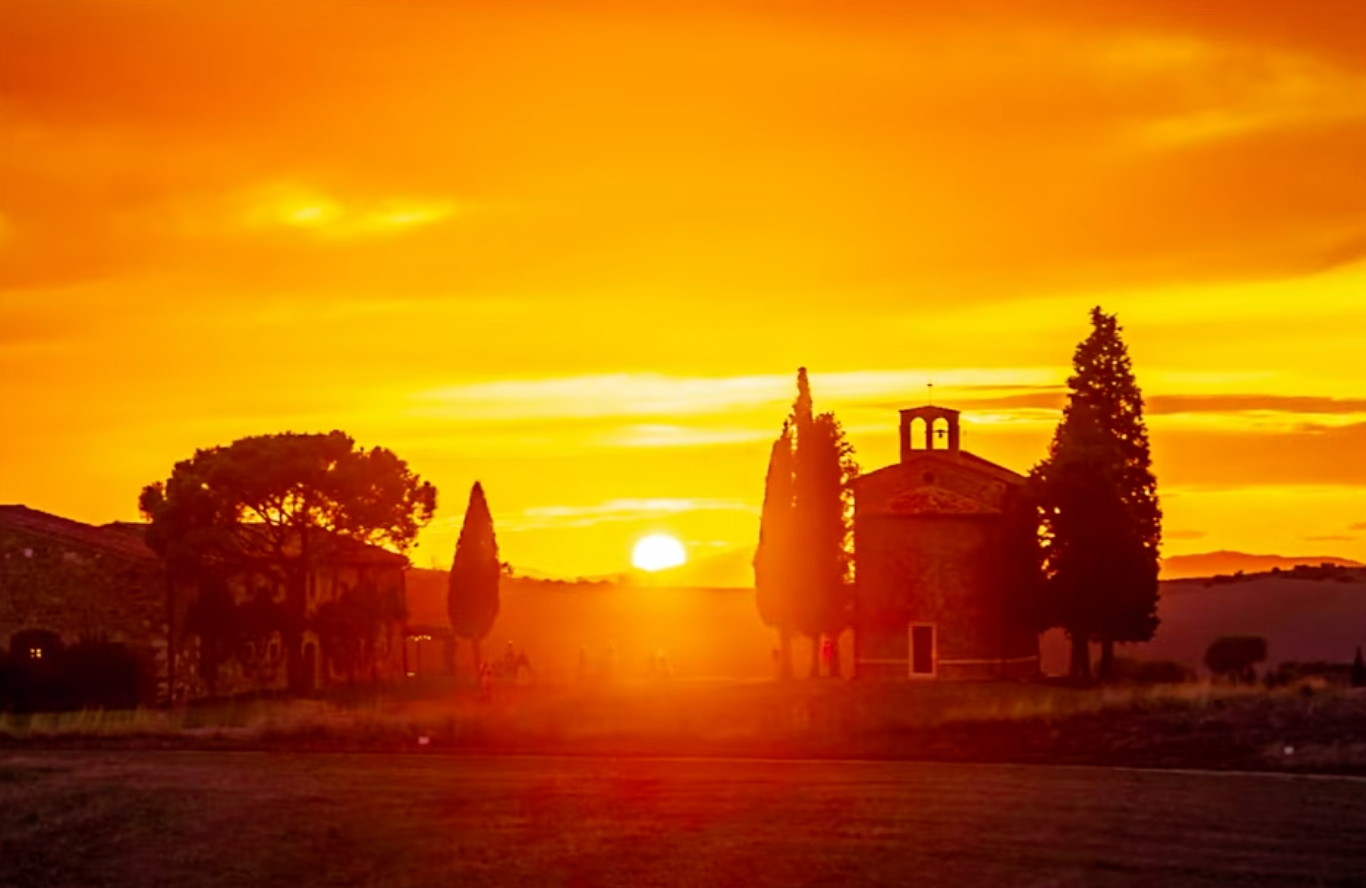
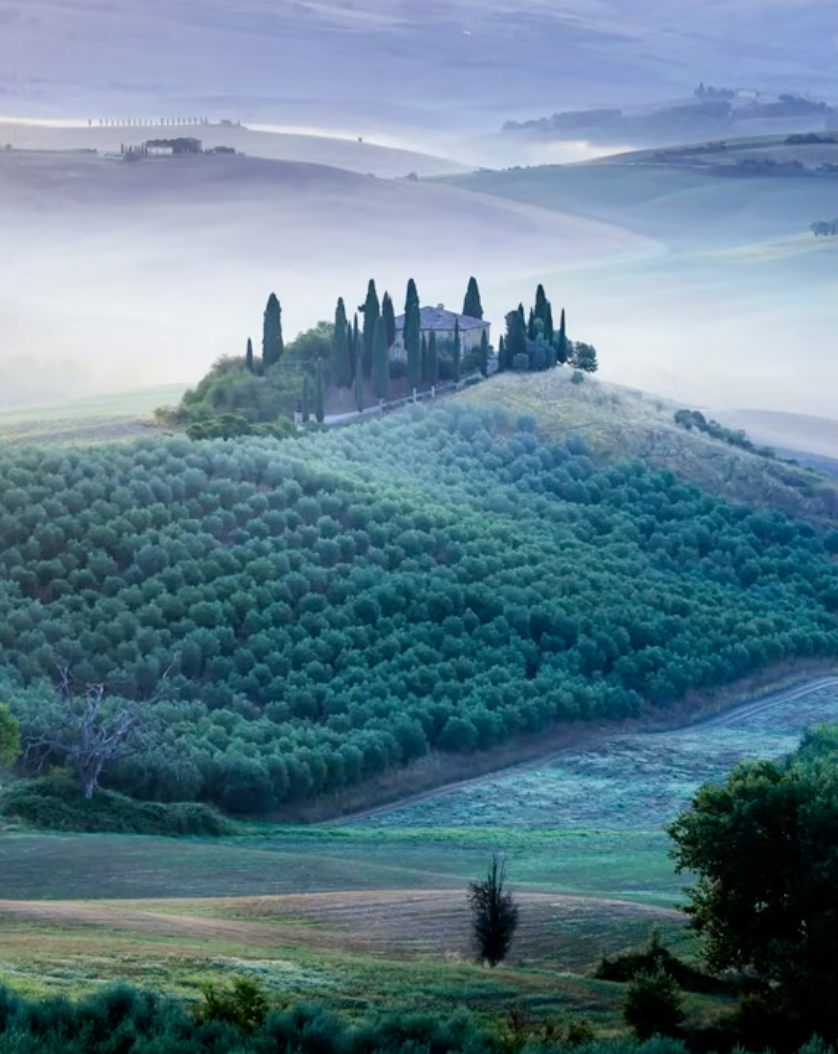
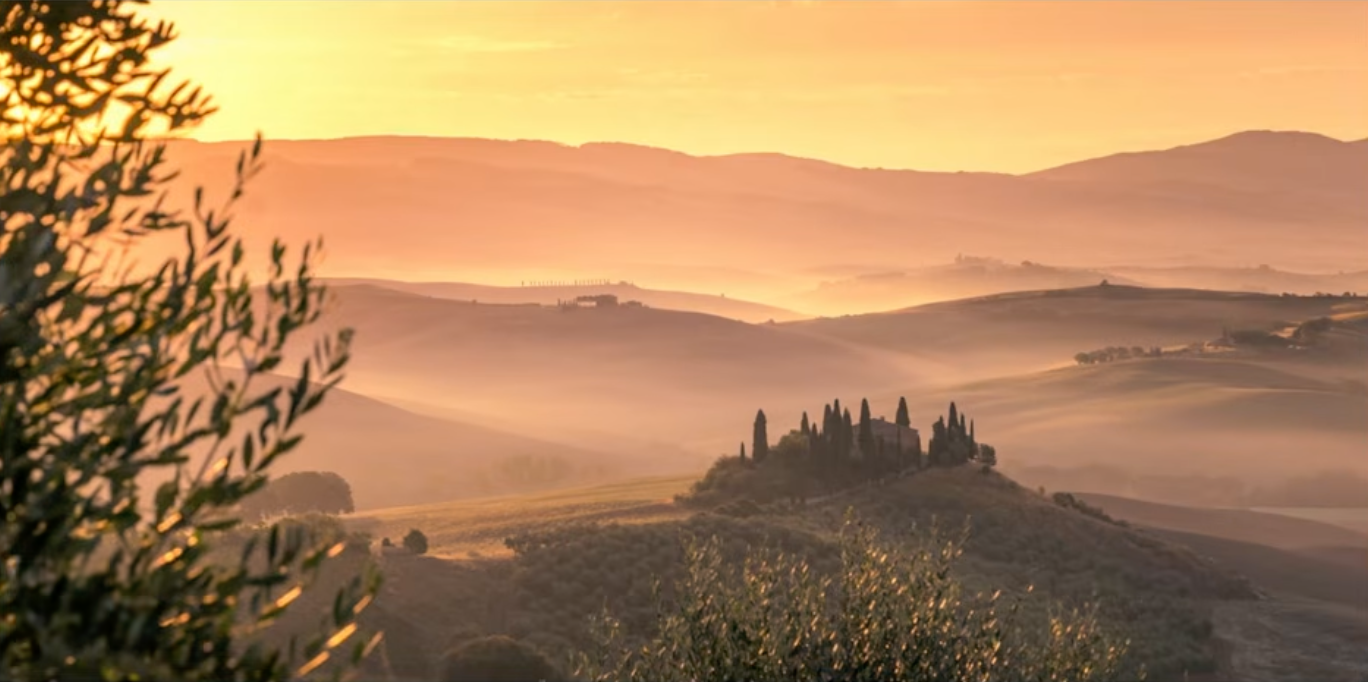
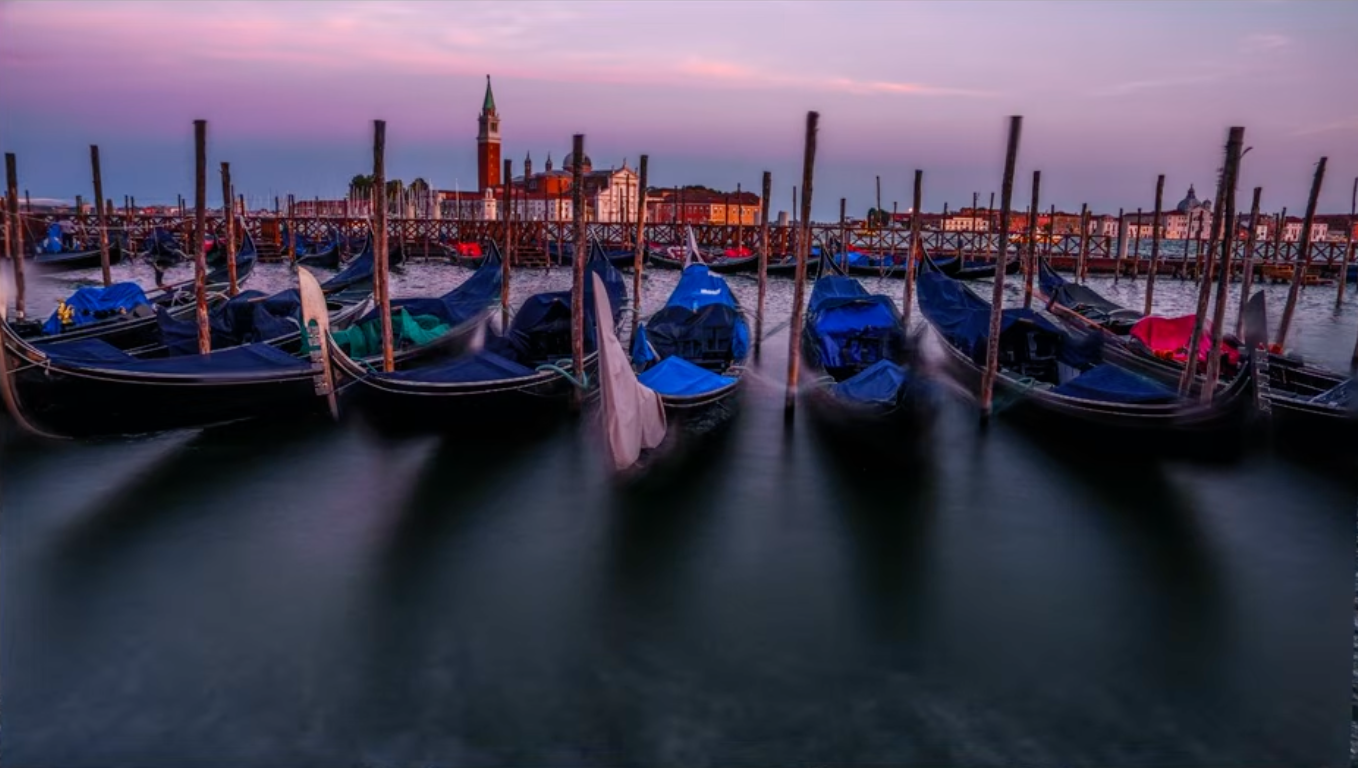
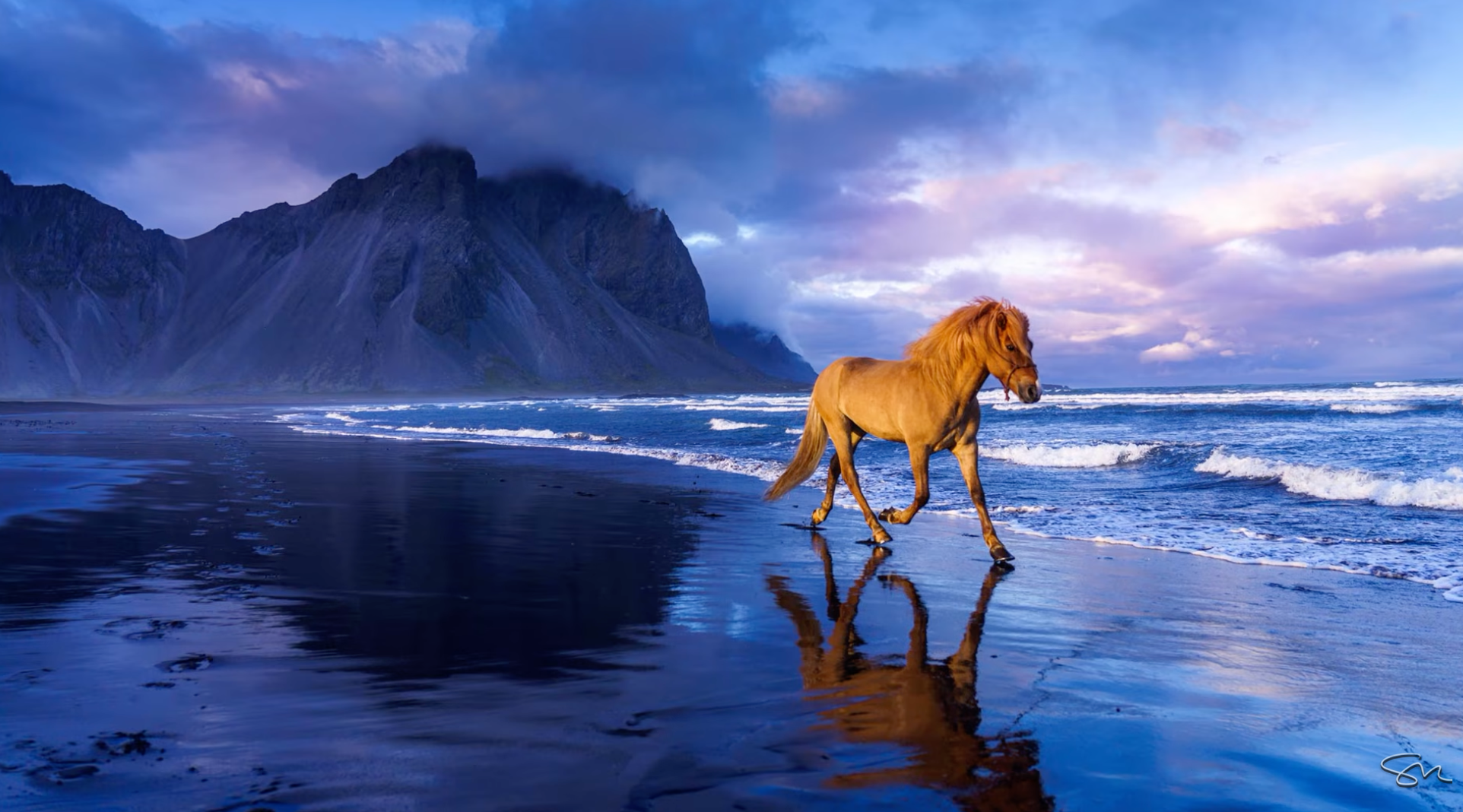
Now I'm heading to Iceland with another group, waking up before sunrise, scouting locations and waiting for the right conditions.
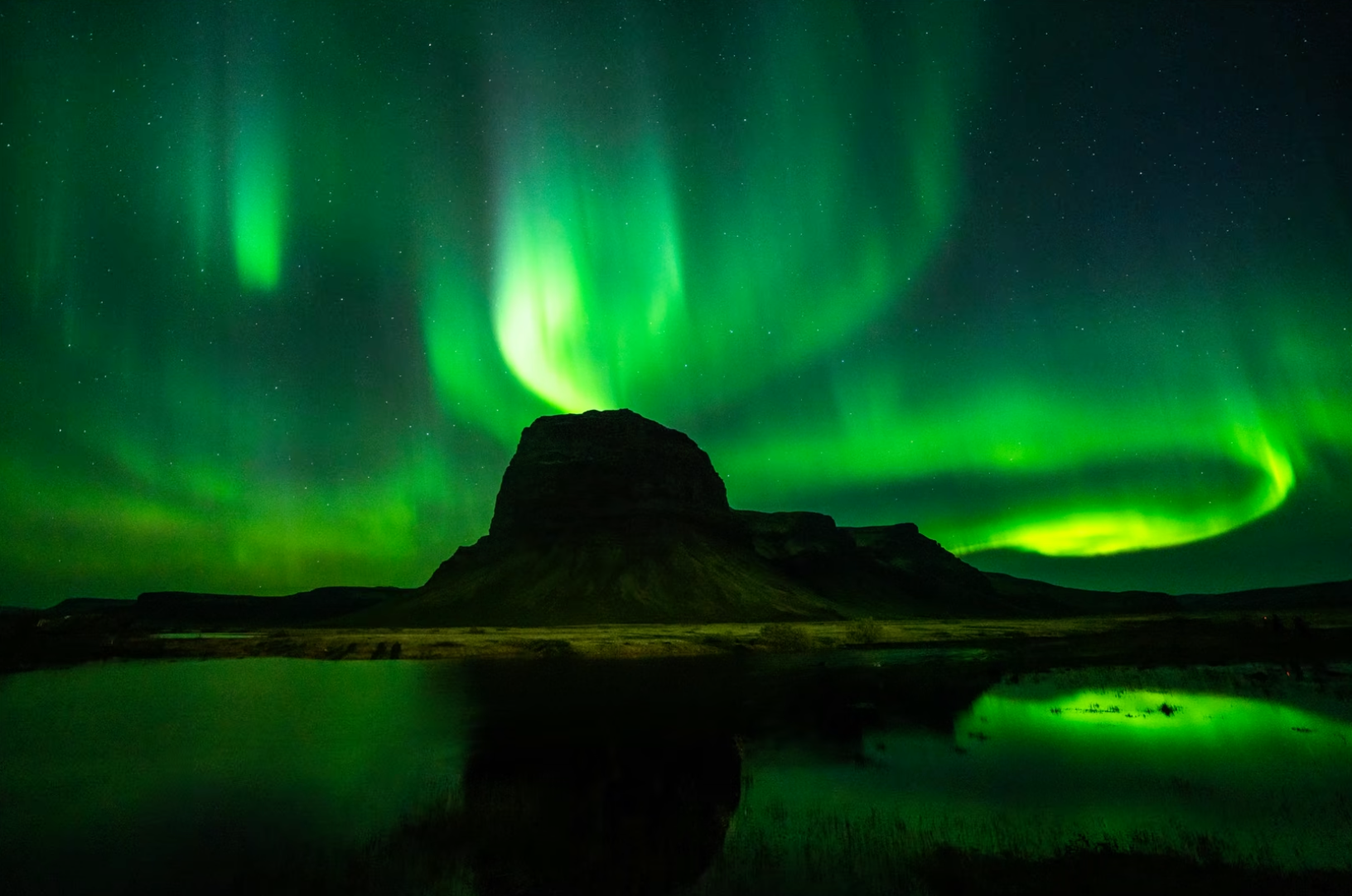
Real aurora, no AI — this is exactly what the sky looked like.
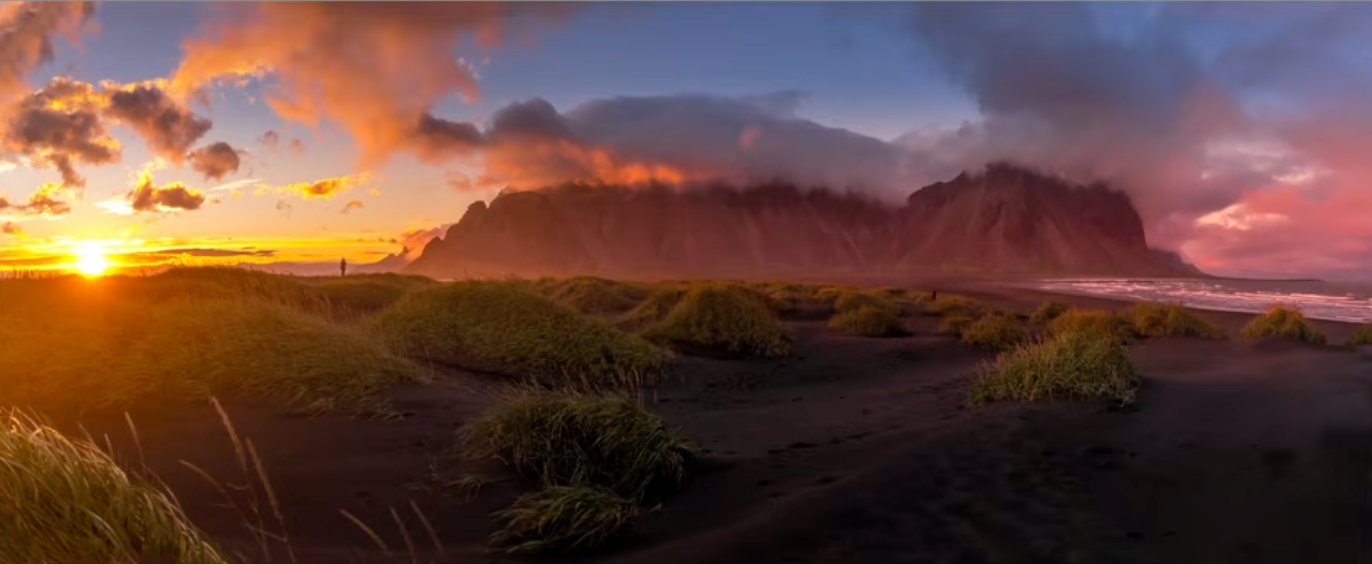
A natural sky, no AI sky replacement — just the right evening at Vestrahorn.
Technically, a lot of these images could be generated with AI from a bedroom, without ever leaving home. But that's not why I became a photographer, and it's not why the people who travel with me sign up either.
Where I Actually Use AI
I'm not against AI — I use it constantly. Here's exactly where I draw the line.
Removing People and Distracting Elements
This is the AI use case I reach for the most. Lightroom's Distraction Removal tool can detect people, reflections and dust automatically instead of me selecting each one by hand.
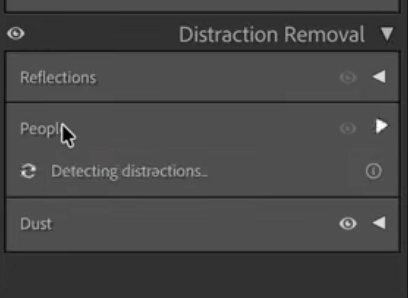
Here's the exact sequence on a real shot in Venice. The raw file, full of tourists at sunset: 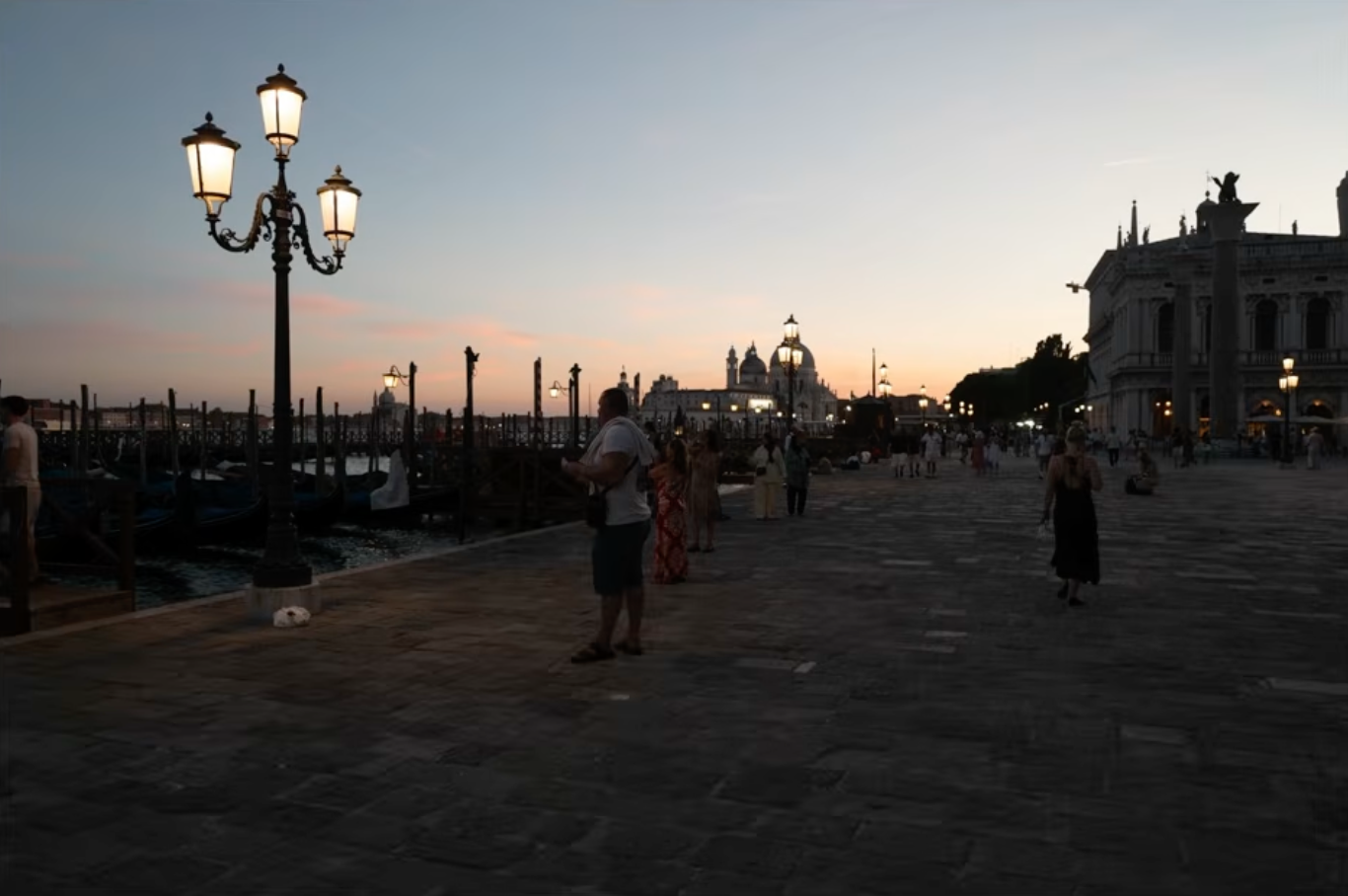
Lightroom's AI detecting every person in the frame: 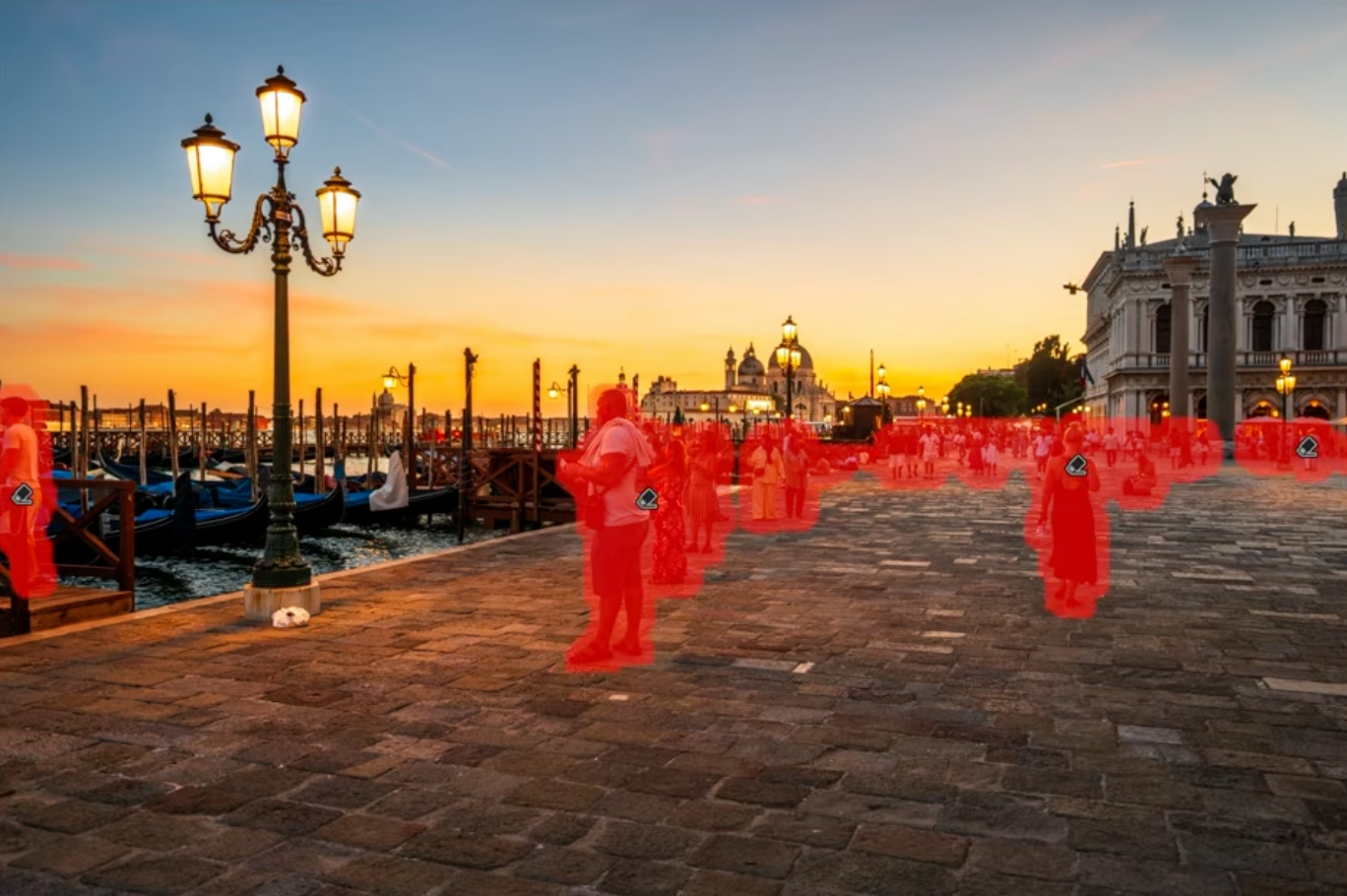
With the color grade applied, but the crowd still there:
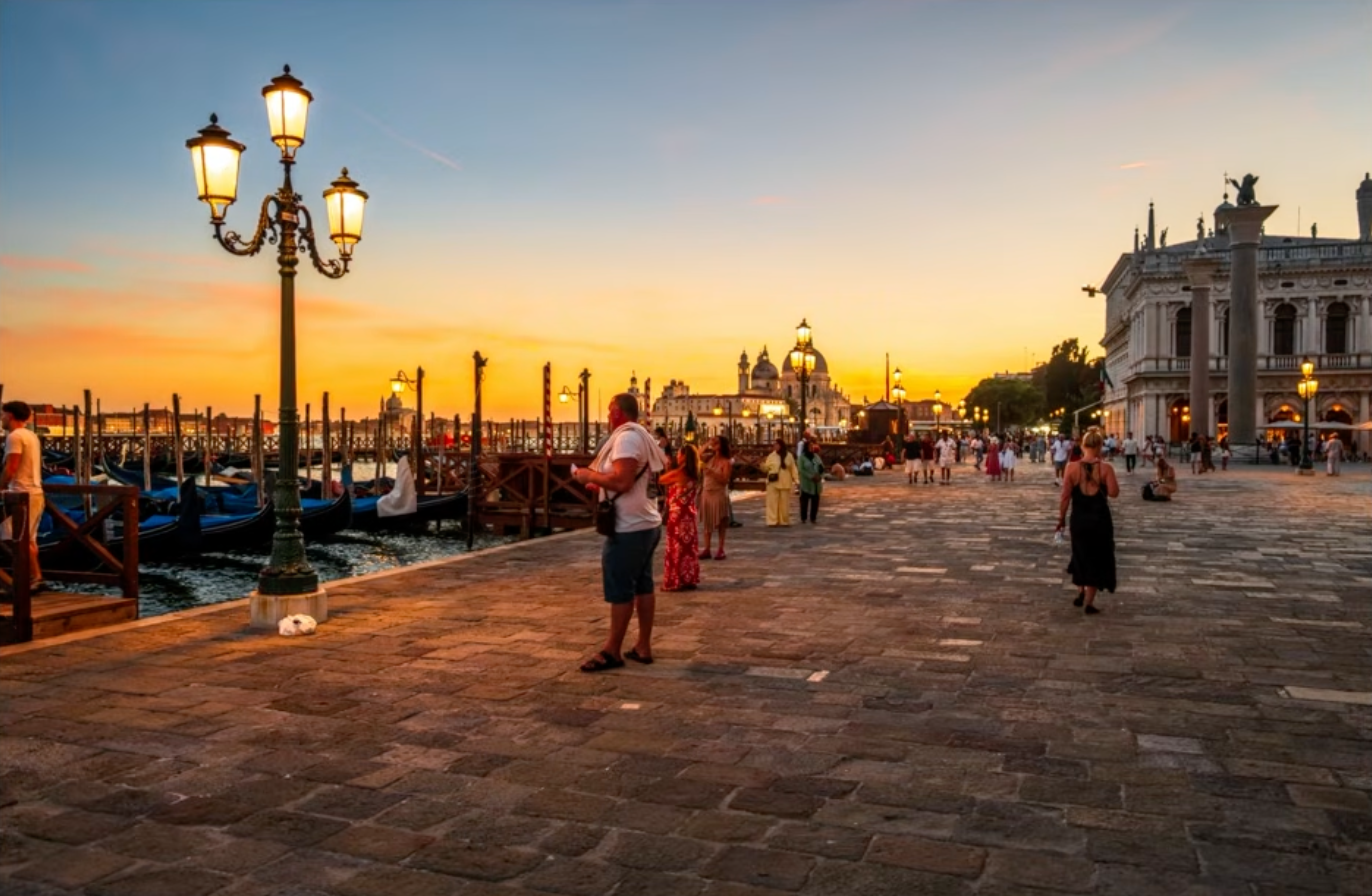
And the final result, once the AI has removed every person:
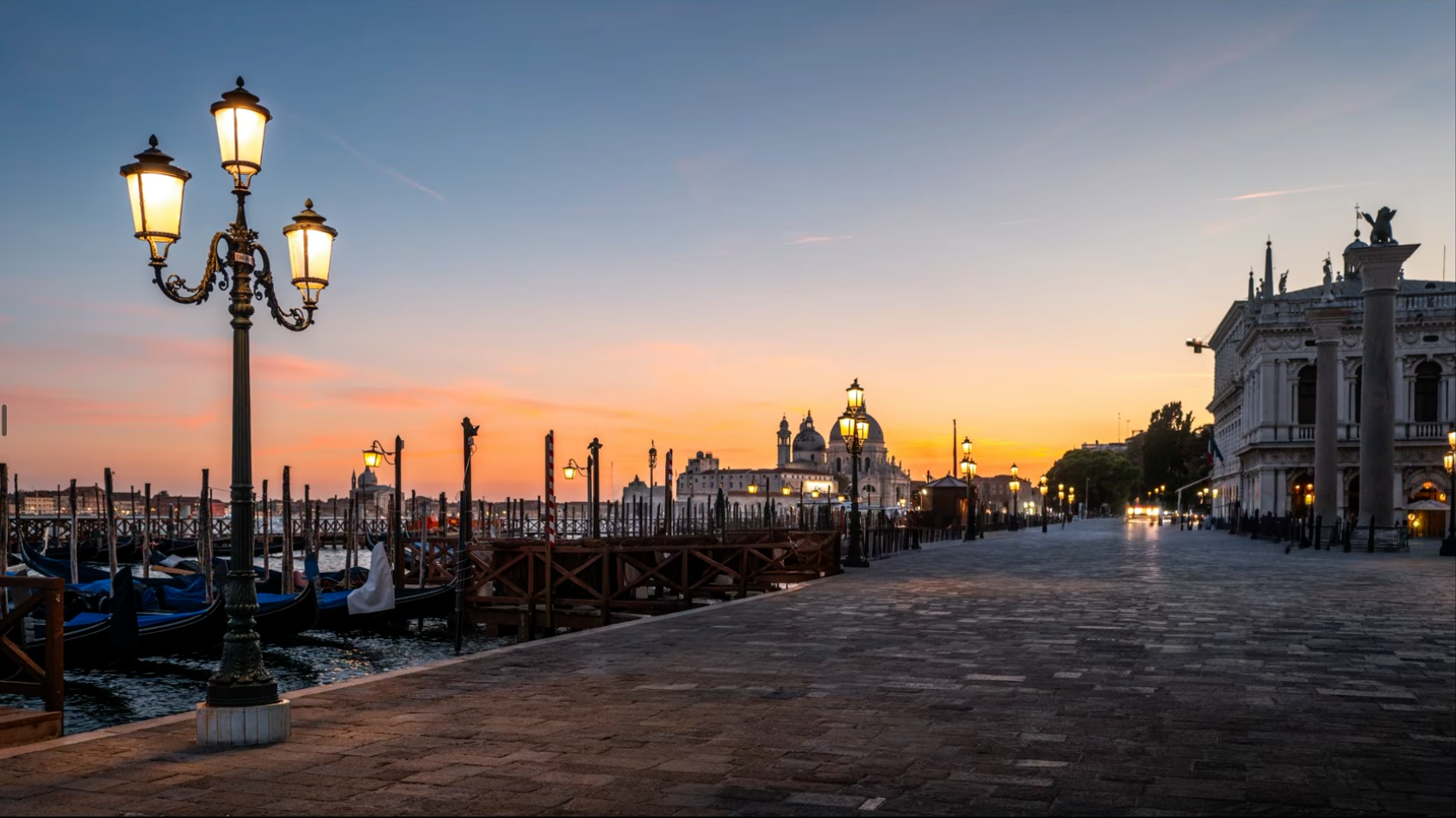
Same promenade, same evening — just without the few hundred tourists that were actually there.
Commercial Retouching and Sky Replacement
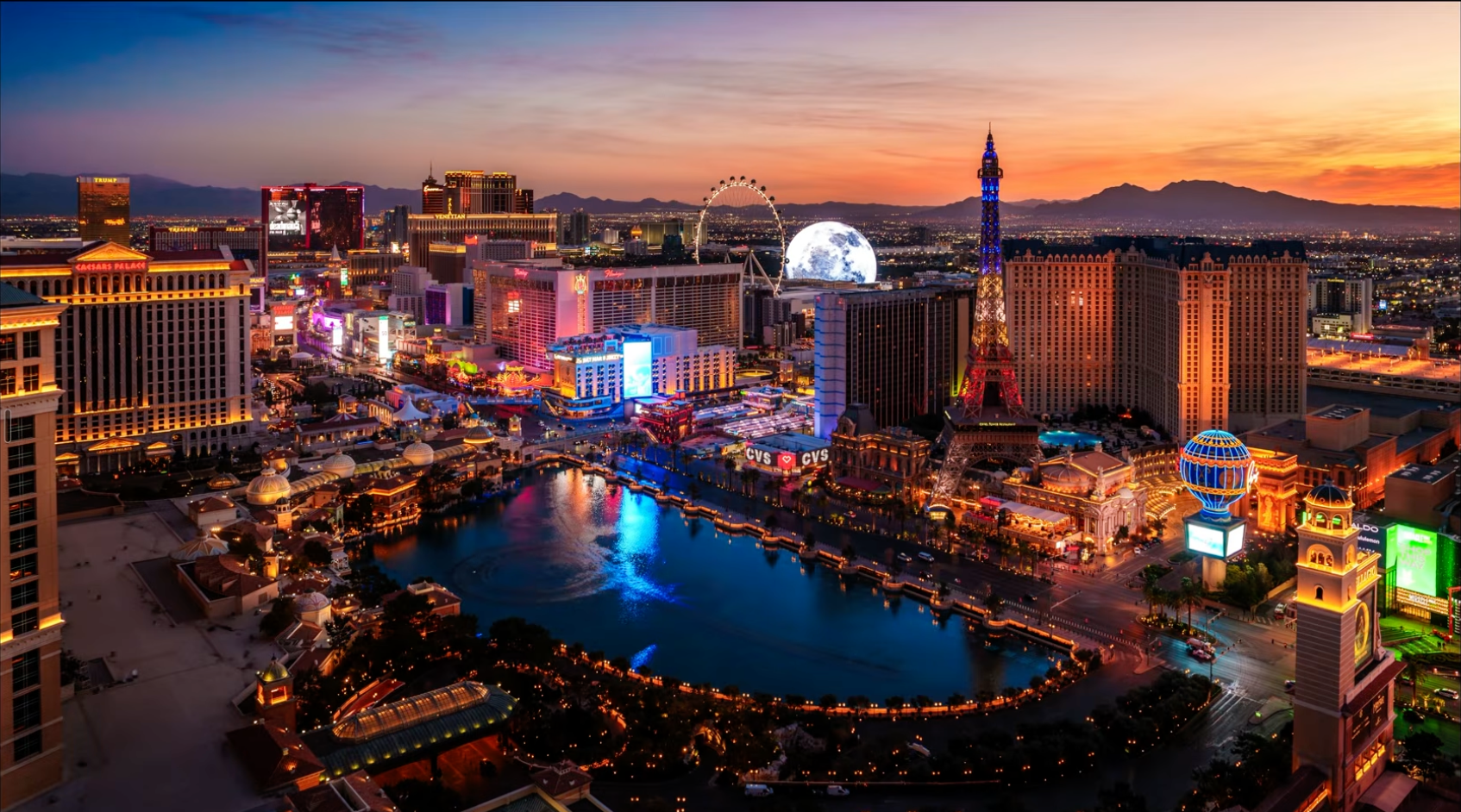
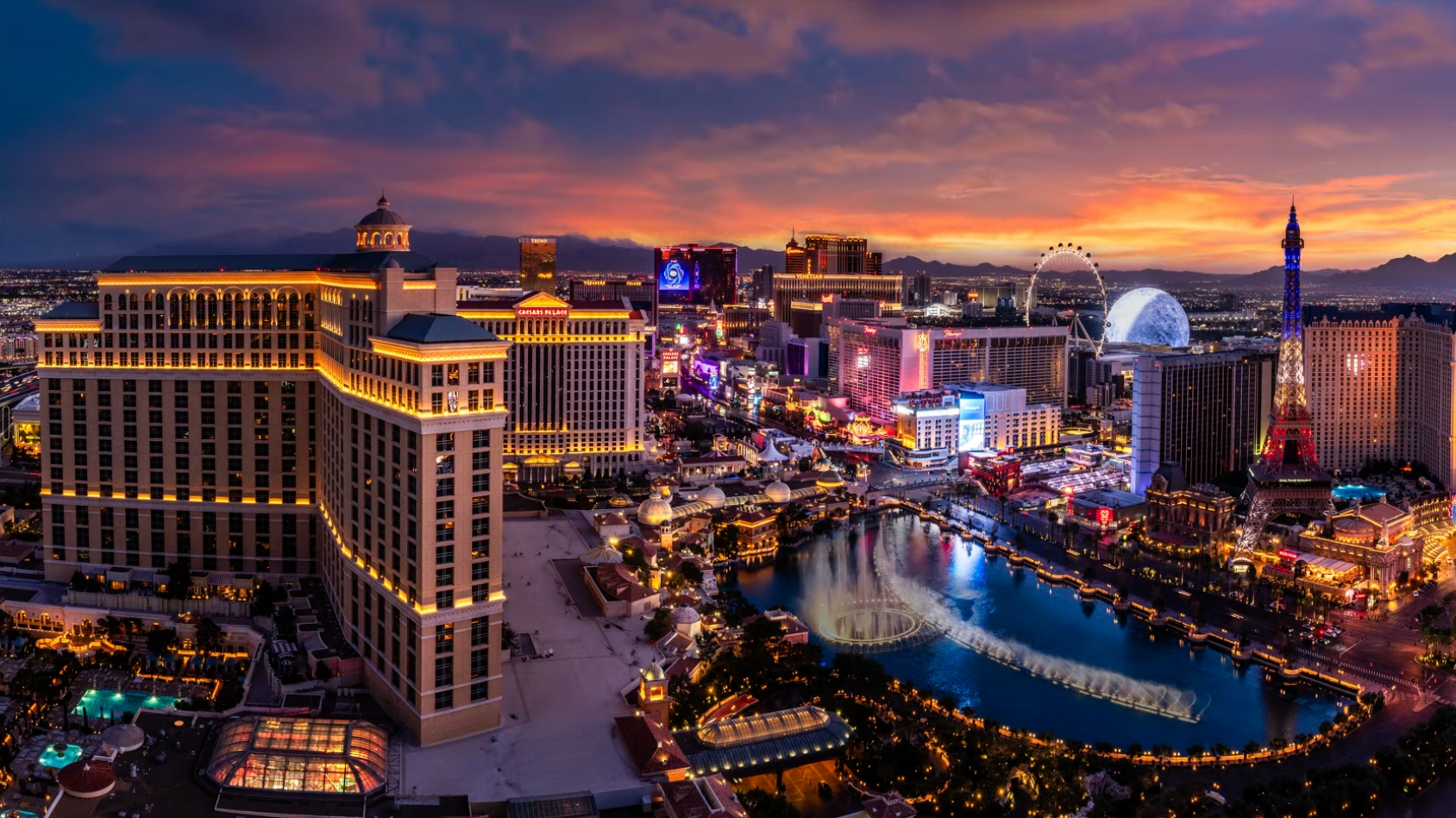
For commercial work, I'll go further — including replacing the sky entirely when the brief calls for more drama than the day gave me.
Before — the real sky:
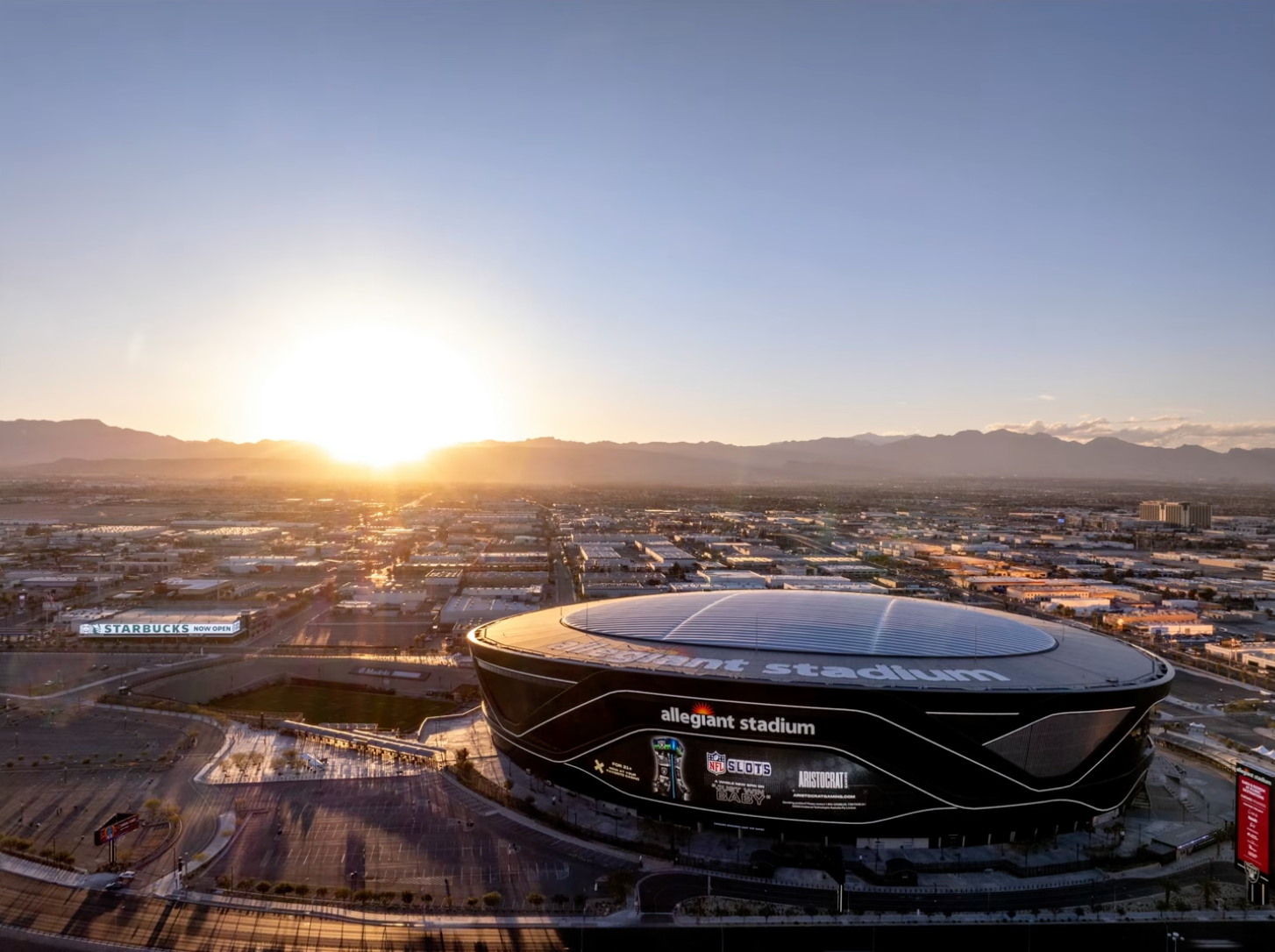
After — AI sky replacement:
Before — the Vegas Strip with just a preset:
After — a sky added with AI:
AI Backgrounds for Professional Portraits
This is where AI opens up shoots that would otherwise need a location scout, a travel budget and a full production crew. I can shoot a model against a simple backdrop and place her anywhere in the world.
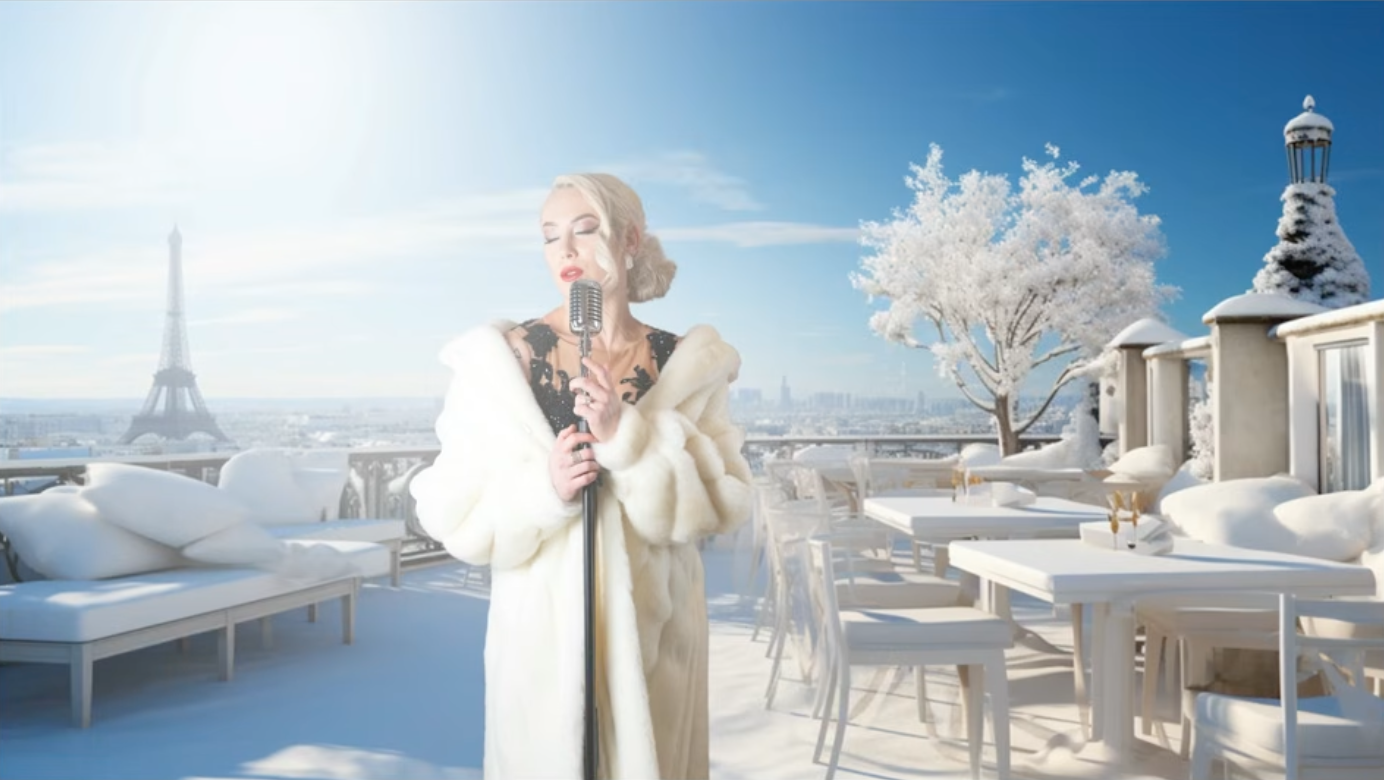
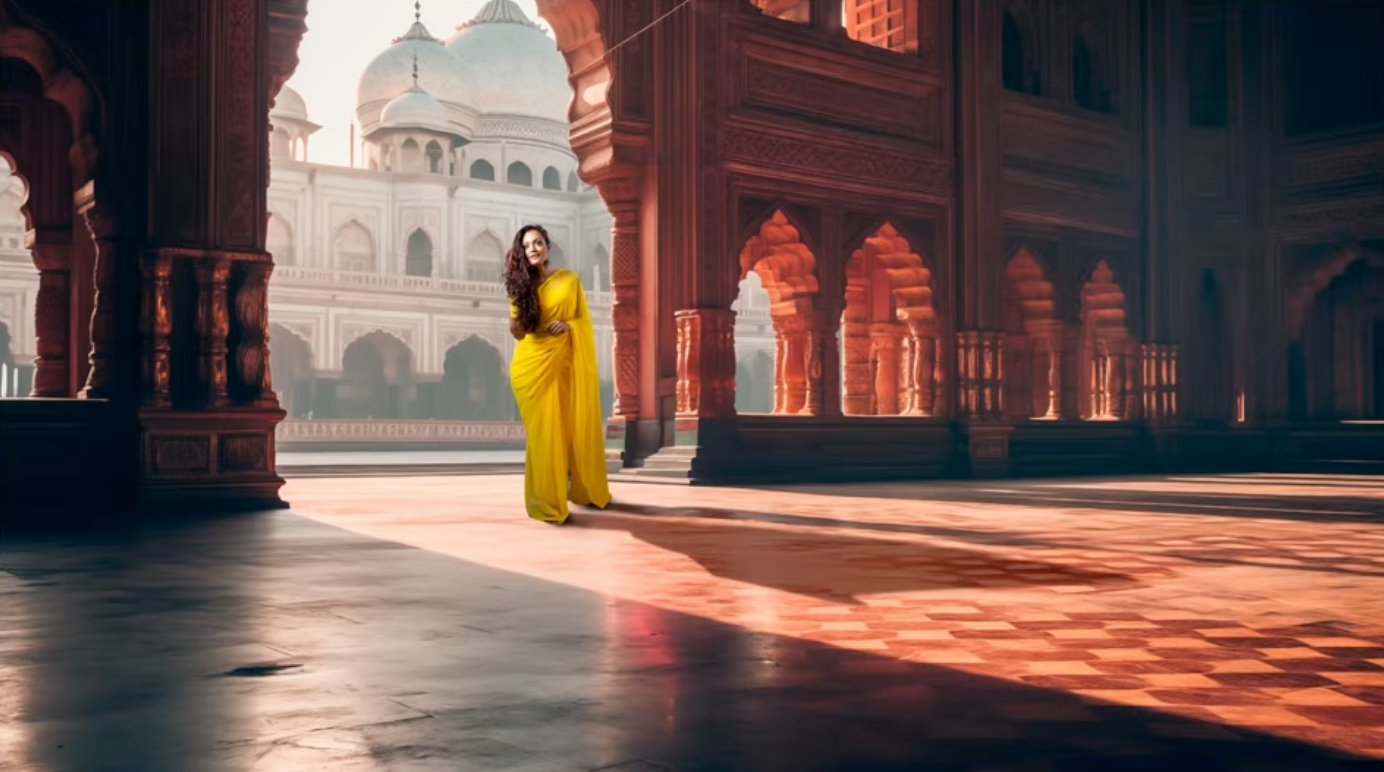
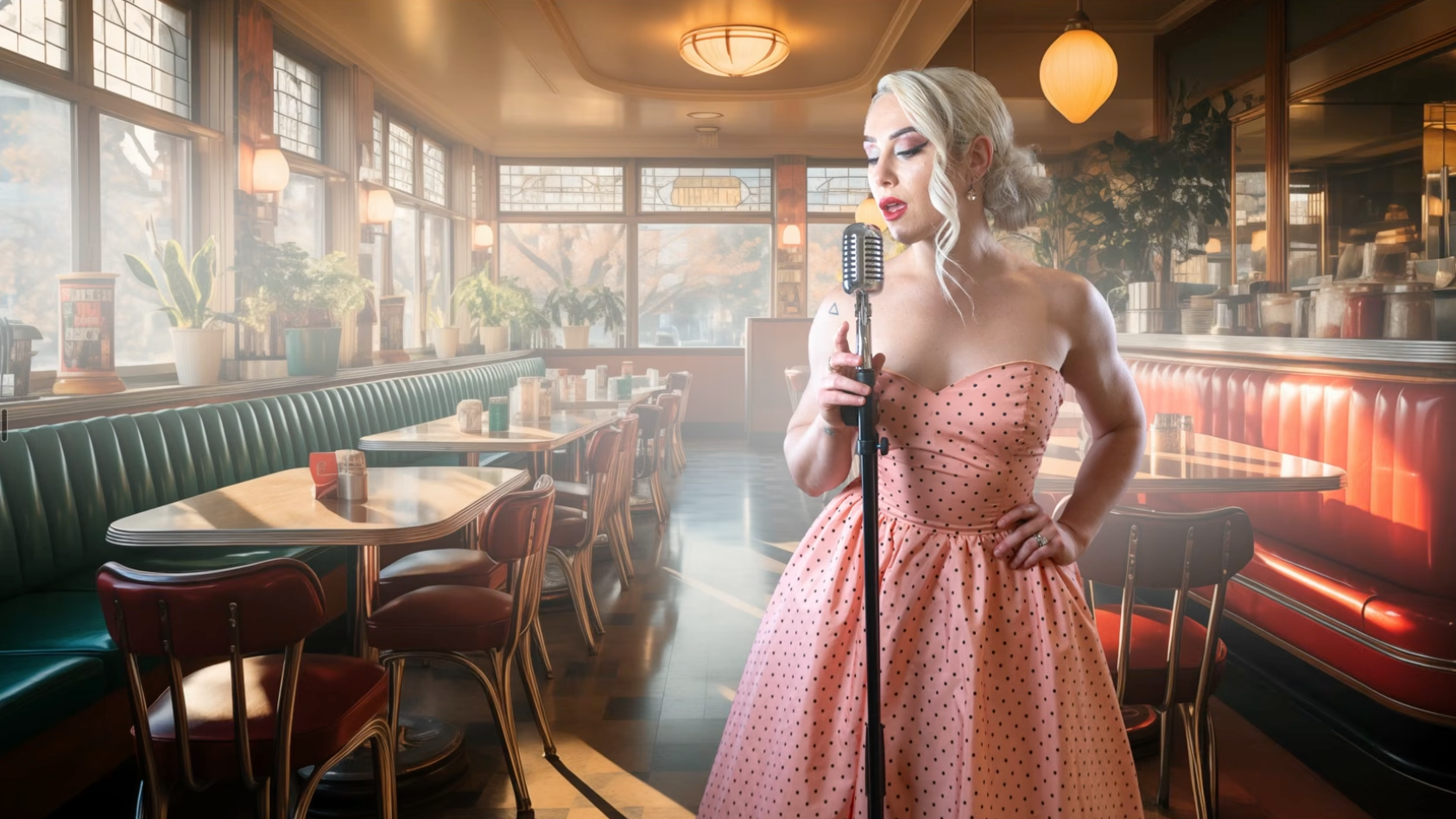
Here's the background alone, built in Photoshop before the model was composited in:
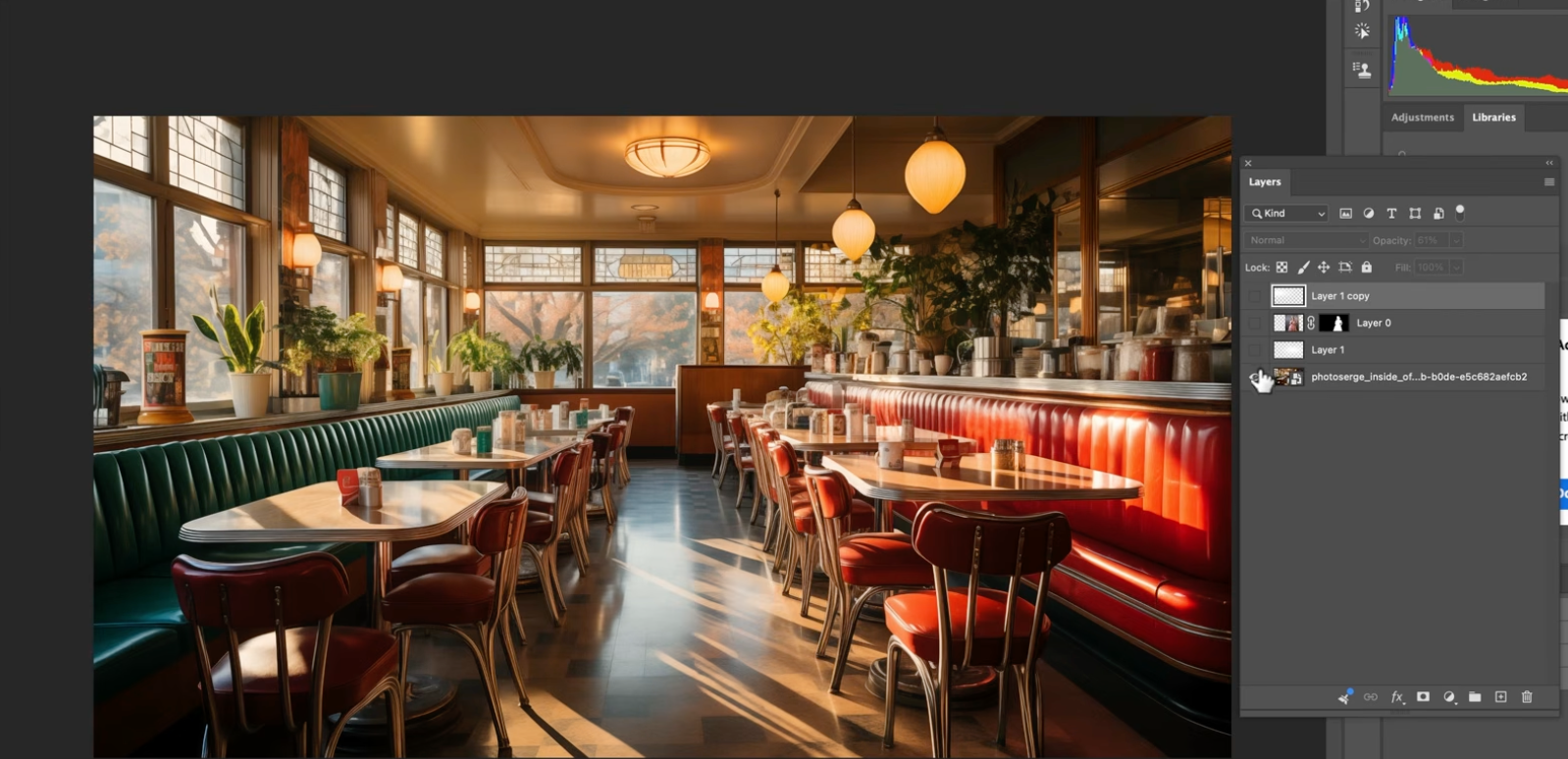
The diner doesn't exist. Neither does the Parisian rooftop in the snow, or that exact hallway in the Indian palace. The model does — and so does the final photo.
Personal Work vs. Commercial Work
For my personal photography, I try to keep things as authentic as possible — that means real locations, real light, real patience. For commercial work and filmmaking, I'm much more open to using AI when it helps me create something that would otherwise be impossible on the budget or timeline available.
So, Is AI Killing Photography?
My honest answer: it depends what you're using it for. It's not killing photography any more than digital cameras killed film, or Photoshop killed the darkroom — but it is changing what counts as "real," and every photographer has to decide where their own line is.
Frequently Asked Questions
Does Serge Ramelli use AI in his photography?
Yes, but selectively. He uses AI to remove distracting elements and people, handle advanced commercial retouching like sky replacement, and generate backgrounds for professional portraits that would otherwise require traveling to that exact location.
Does he use AI for his personal landscape and travel photography?
No — for personal work, he tries to keep things as authentic as possible: real locations, real light, shot in person rather than generated. His Iceland aurora and Vestrahorn sunset photos, for example, use no AI at all.
Is AI replacing real photography trips?
Not for him. He still travels to places like Italy and Iceland to shoot in person, even though many of those images could technically be generated with AI instead.
How does AI remove people from a crowded photo?
Tools like Lightroom's Distraction Removal panel can automatically detect people, reflections and dust across the frame, then remove them without manually selecting each one — turning a crowded tourist spot into an empty scene in a few clicks.
Explore More From Photo Serge
Want more of my thinking on photography and editing? Here are more guides:
- How to Remove Anything From a Photo: Dust, People, Reflections, and Wires
- Why I Spent 3 Years Perfecting My Lightroom Presets
Happy shooting! — Serge
Get my FREE Lightroom preset here: https://bit.ly/AIPresets
Serge — Photoserge | Coaching photographers who are serious about getting to the next level.
